
Maltiq · learn
Common Maltase Buying Questions | Maltiq
Practical maltase sourcing questions for R&D, process engineering, procurement, and manufacturing teams evaluating alpha-glucosidase for controlled maltose conversion.
Request pricingPrecision maltose conversion for industrial sugar control.
Maltiq · learn
Practical maltase sourcing questions for R&D, process engineering, procurement, and manufacturing teams evaluating alpha-glucosidase for controlled maltose conversion.
Request pricingOverview
Maltase is often specified late in a process design, but the buying decision affects conversion, flavor balance, filtration behavior, batch timing, documentation, and landed cost. This guide gives sourcing teams a practical question set for evaluating Maltase (alpha-glucosidase; maltose glucohydrolase) for controlled maltose-to-glucose conversion.
Maltiq supports B2B buyers who need more than a catalog line: substrate fit, process-window alignment, sample planning, commercial format selection, and procurement-ready documentation.

Maltase hydrolyzes maltose into glucose. In practical terms, it can help process teams:
The important buying question is not simply “does it work?” It is: does it work predictably in your substrate, at your process conditions, with your quality targets and commercial constraints?
Maltase is typically evaluated when a team needs targeted maltose conversion without redesigning the full process train. Common B2B evaluation areas include:
For early discussions, bring the substrate description, current sugar profile if available, pH range, temperature range, holding time, solids level, and the target outcome.
A useful maltase quote starts with a technical brief. Procurement can move faster when R&D and operations align on these points:
Start with fit, not price. A maltase option should be evaluated against the conditions the enzyme will actually see, not an idealized lab environment.
Key fit questions:

Maltiq can help translate your process window into a sample plan so the first screening round produces decision-ready data.
Both formats can be commercially appropriate. The better choice depends on handling, dosing accuracy, storage, hygiene controls, and manufacturing layout.
Format should be selected after reviewing the actual addition point, operator handling, cleaning controls, packaging preference, and expected order pattern.
For a serious sourcing review, ask for documentation that supports internal approval and receiving controls. Depending on your application and region, this may include:
Documentation needs vary by market. The fastest route is to tell Maltiq how the maltase will be used and which internal quality gates must be cleared.
Avoid a single “pass/fail” beaker test. A better trial compares several controlled conditions around the expected process window.
A practical trial matrix can vary:
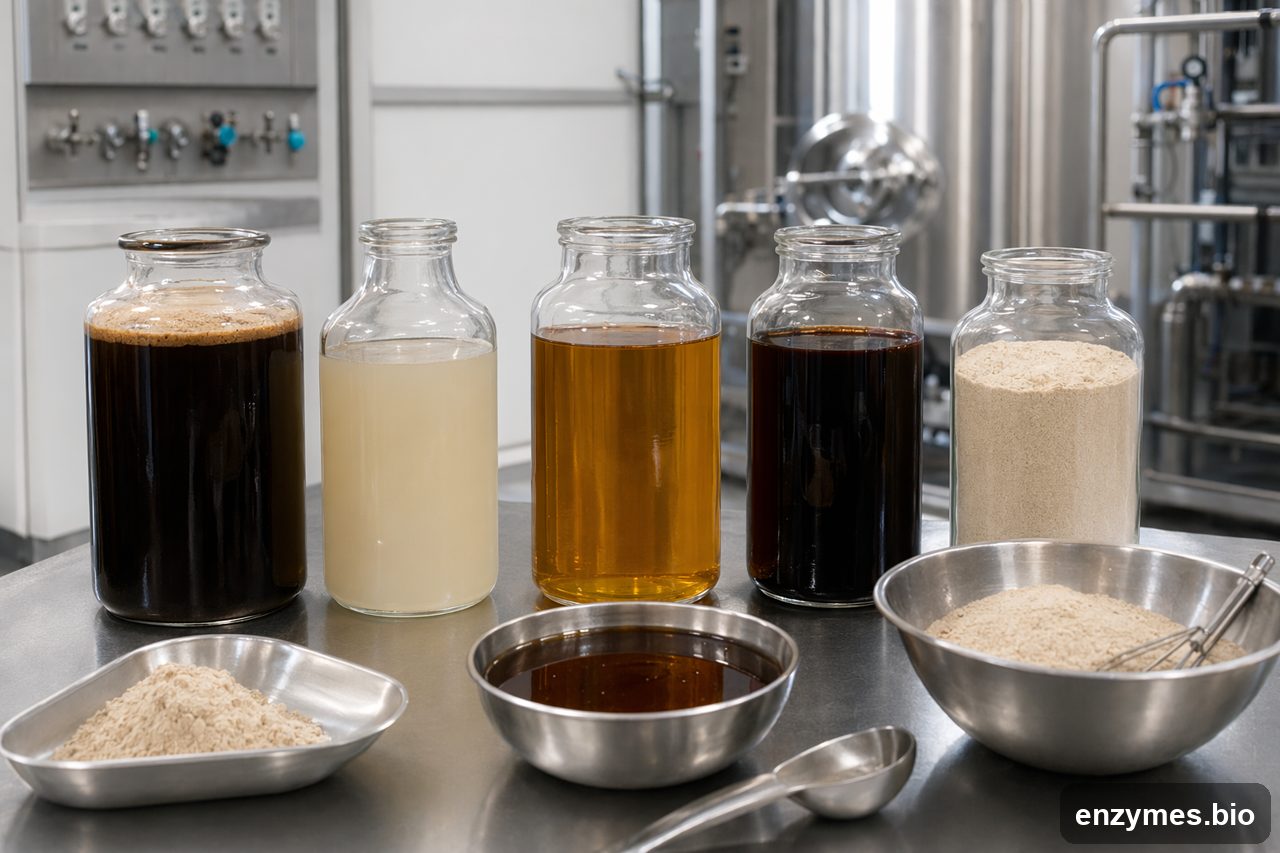
Measure the outcomes that matter commercially: conversion, flavor impact, fermentability, filtration behavior, color, yield, processing time, and cost per finished batch. The goal is not maximum conversion at any cost; it is controlled conversion that fits the manufacturing economics.
Maltase pricing is influenced by more than package size. Expect the commercial discussion to consider:
A lower unit price is not always the lowest process cost. Buyers should compare cost per finished batch, conversion reliability, waste reduction, and the internal cost of inconsistent performance.
Use caution if a maltase offer cannot answer basic operating questions or does not align with your manufacturing reality.
Common red flags:
For a practical quote, include as much of the following as possible:
If you do not have every variable confirmed, send what you know. Maltiq can help define the missing pieces before quoting production volume.
Use the form below to share your process conditions and commercial target. A Maltiq technical-commercial contact will review the request and respond with next steps for sample planning, pricing, or documentation.
A strong maltase purchase is a controlled process decision, not a commodity shortcut. Define the substrate, process window, target outcome, documentation needs, and scale-up path first. Then compare options by conversion reliability, handling fit, procurement readiness, and total batch economics.
Process


Applications
Enquire
Tell us your application and volume — we reply with pricing and lead time.