Maltase Enzyme Powder Storage and Handling Basics | Maltiq
Practical storage, dispensing, reconstitution, safety, and procurement guidance for bulk maltase enzyme powder used in controlled maltose-to-glucose conversion.
Maltase enzyme powder: storage and handling basics
Maltase enzyme powder is purchased for one commercial reason: controlled conversion of maltose into glucose under defined process conditions. For R&D, scale-up, procurement, and manufacturing teams, the handling question is not academic. It is about preserving lot consistency, avoiding moisture exposure, reducing dust risk, and preparing the enzyme so it performs predictably in production.
Maltiq supplies maltase, also known as alpha-glucosidase or maltose glucohydrolase, for B2B formulation and process use. This guide covers practical handling principles without disclosing assay methods, proprietary manufacturing details, or supplier-confidential specifications.
What maltase powder needs from your facility
Maltase is a functional protein ingredient. Like most dry enzymes, it should be protected from heat, moisture, uncontrolled airborne exposure, and repeated container opening. Your exact storage window should be set from the lot documentation, internal quality system, and intended hold time.
For most bulk handling programs, the priorities are straightforward:
Keep the powder sealed until dispensing.
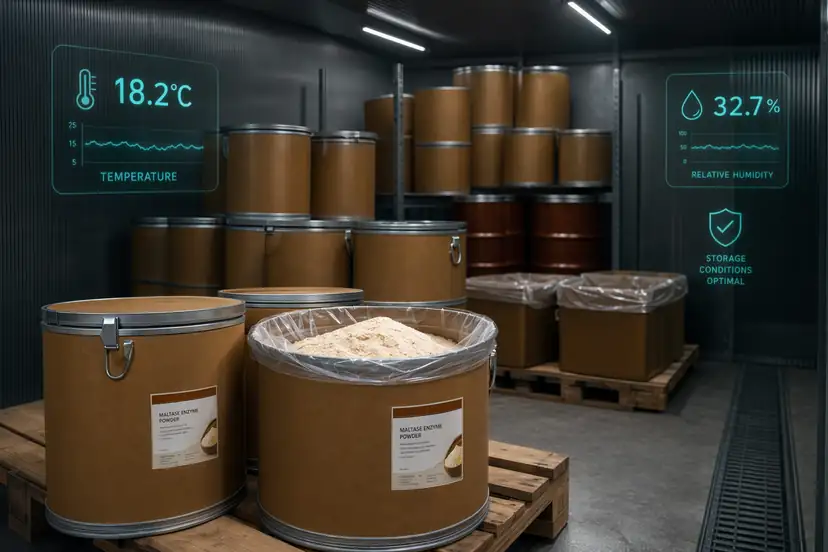
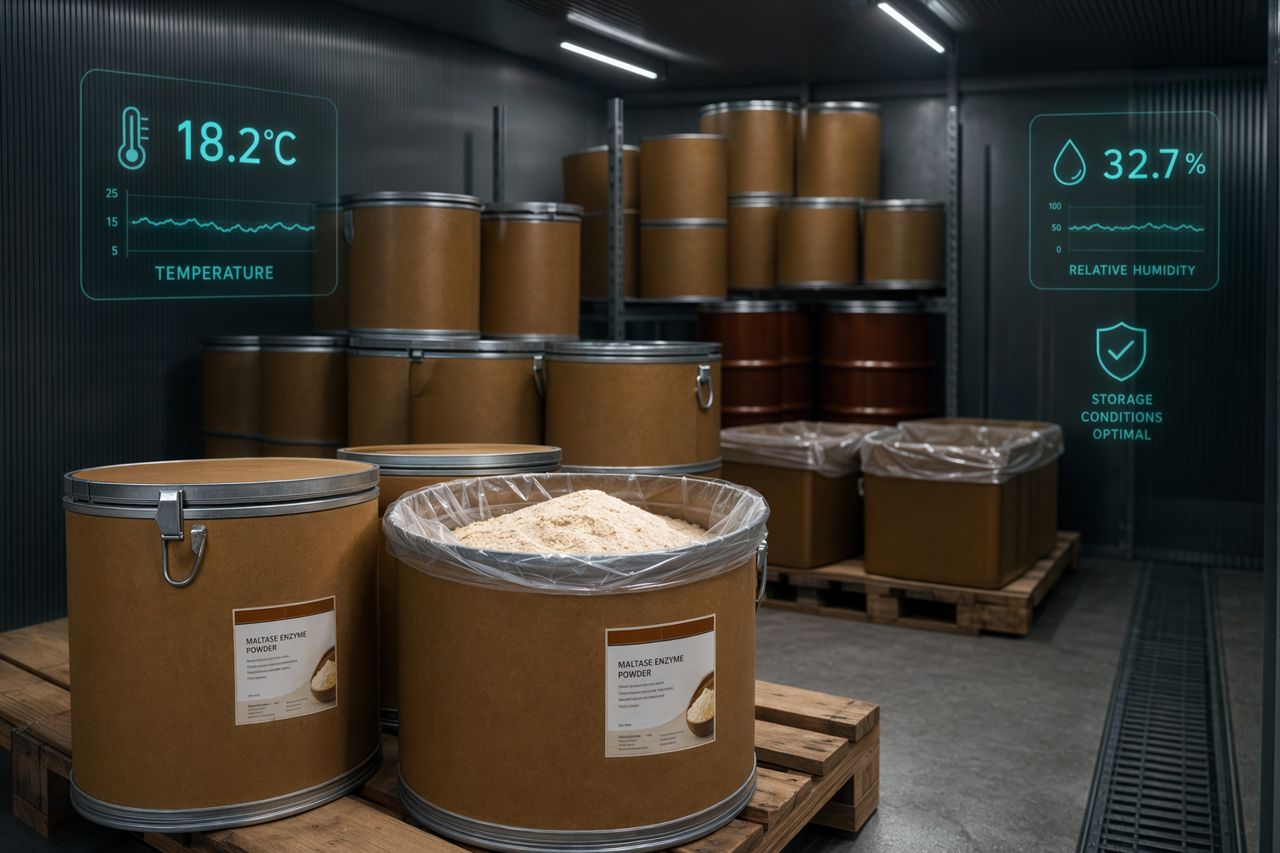
Store in a cool, dry, controlled area.
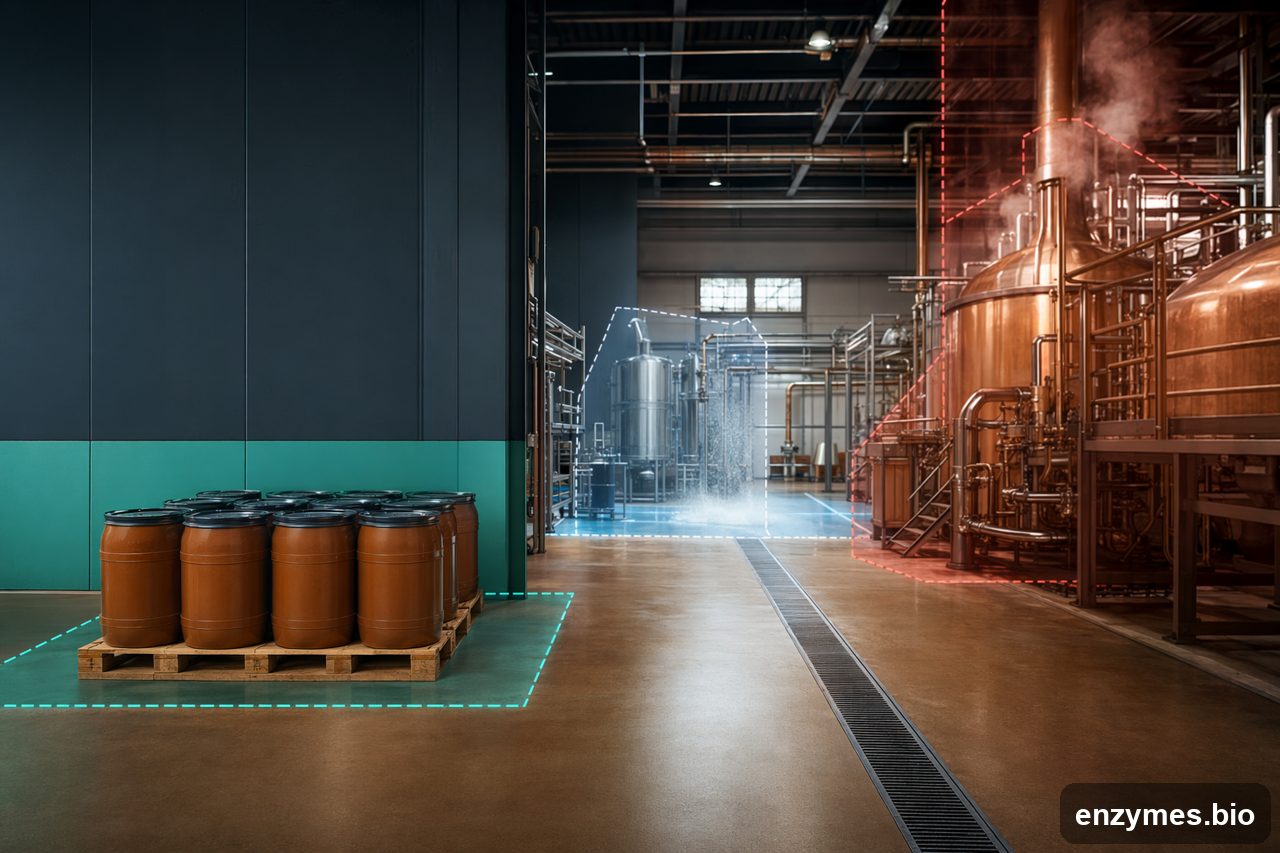
Avoid staging near steam lines, washdown zones, hot equipment, or high-humidity rooms.
Use first-in, first-out stock rotation.
Minimize open-container time during weighing and batching.
Prevent cross-contact with incompatible materials, strong oxidizers, or aggressive cleaning residues.
Record every lot movement, opening date, and partial-container return.
Receiving checks for bulk maltase
When a maltase shipment arrives, receiving teams should confirm the basics before the material enters available inventory.
Checkpoint
What to verify
Container condition
No punctures, broken seals, water marks, or compressed closures
Label match
Product name, lot number, net weight, and customer reference align with the purchase order
Documentation
Certificate of analysis and safety documentation are present or available through the quality file
Temperature excursion indicators
Review if your supply program uses them for controlled shipments
Quarantine status
Hold until QA release under your site procedure
If packaging is compromised, do not blend the material into production inventory. Photograph the issue, isolate the container, and notify quality and procurement before use.
Recommended storage practices
Keep it dry
Moisture is the main operational risk for enzyme powders. Humidity can cause caking, handling variability, reduced flow, and uneven dispersion during make-down. Use dry storage, sealed containers, and controlled dispensing practices. If your plant has seasonal humidity swings, assign maltase to a monitored room rather than general warehouse overflow.
Control temperature exposure
Avoid heat spikes and long staging periods near process equipment. A stable, cool storage area is preferred. If refrigeration is specified for a particular grade or hold period, allow sealed containers to equilibrate before opening so condensation does not form on or inside the package.
Reduce oxygen and repeated opening
Every opening introduces air, moisture, and contamination risk. Plan dispensing around batch campaigns when possible. For partial containers, reseal immediately using approved liners, closures, and secondary containment. Mark the opening date and return the container to controlled storage promptly.
Dispensing and powder handling
Maltase powder should be handled with the same discipline applied to other fine industrial enzyme powders.
Dust control
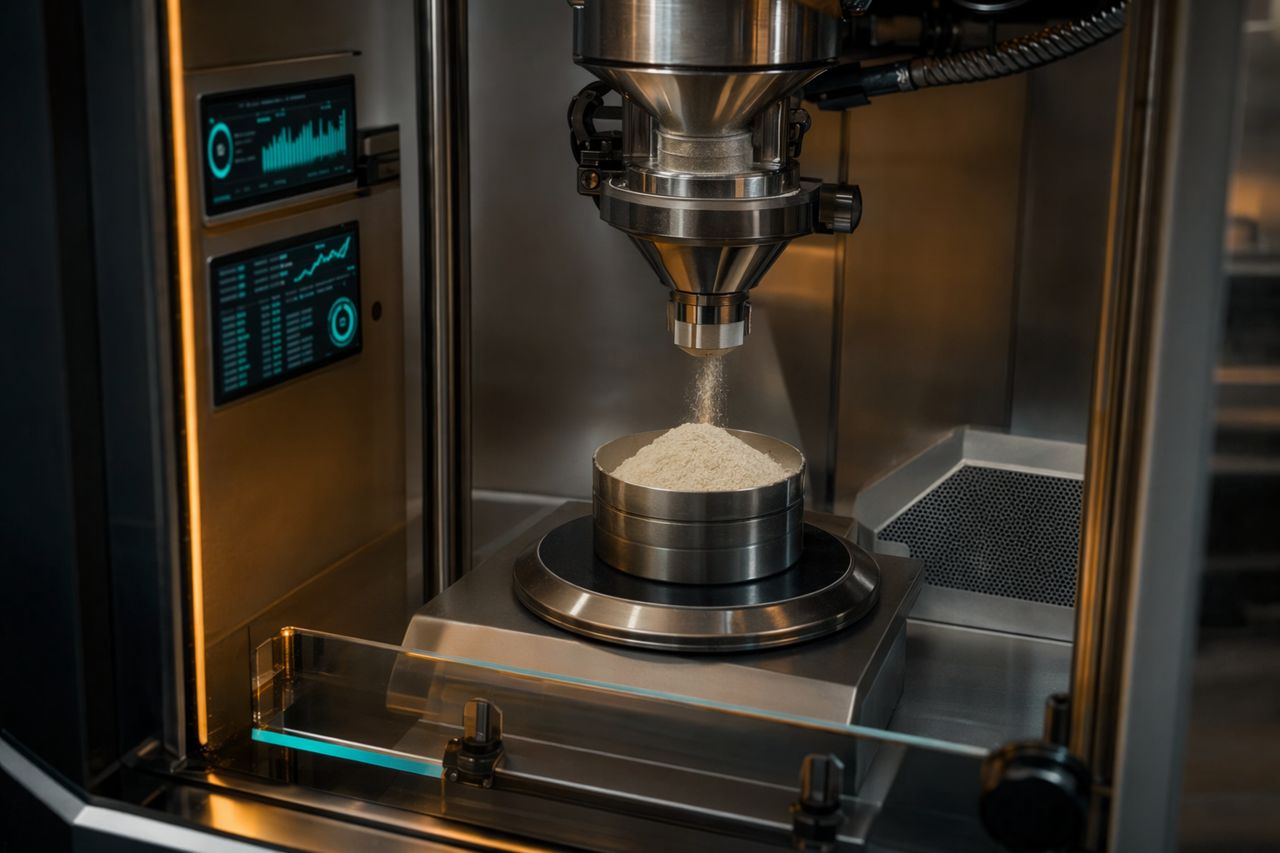
Use local exhaust, enclosed transfer, downflow booths, or other site-approved dust-control systems when weighing or charging. Avoid high drop heights and aggressive pouring. Do not use compressed air to clean powder residues.
PPE and occupational hygiene
Follow the safety data sheet and site exposure-control plan. Typical controls may include gloves, protective eyewear, lab coat or coveralls, and respiratory protection where dust generation cannot be adequately controlled. Enzyme powders can be sensitizers, so repeated airborne exposure should be minimized even when the powder is handled at small scale.
Cross-contamination control
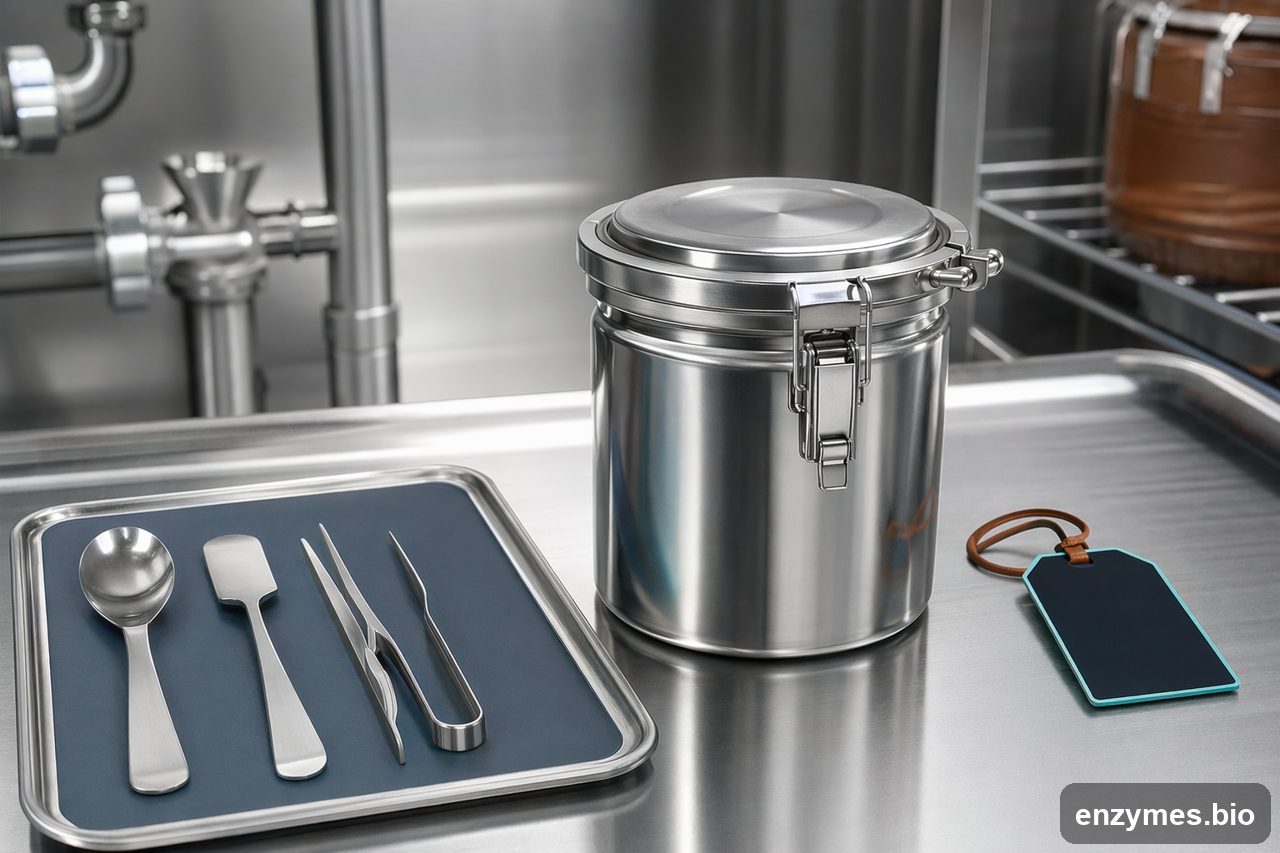
Use dedicated or validated-clean utensils, scoops, liners, and transfer equipment. Label in-process containers clearly. Keep maltase away from incompatible raw materials and from cleaning agents that could inactivate proteins.
Reconstitution and make-down guidance
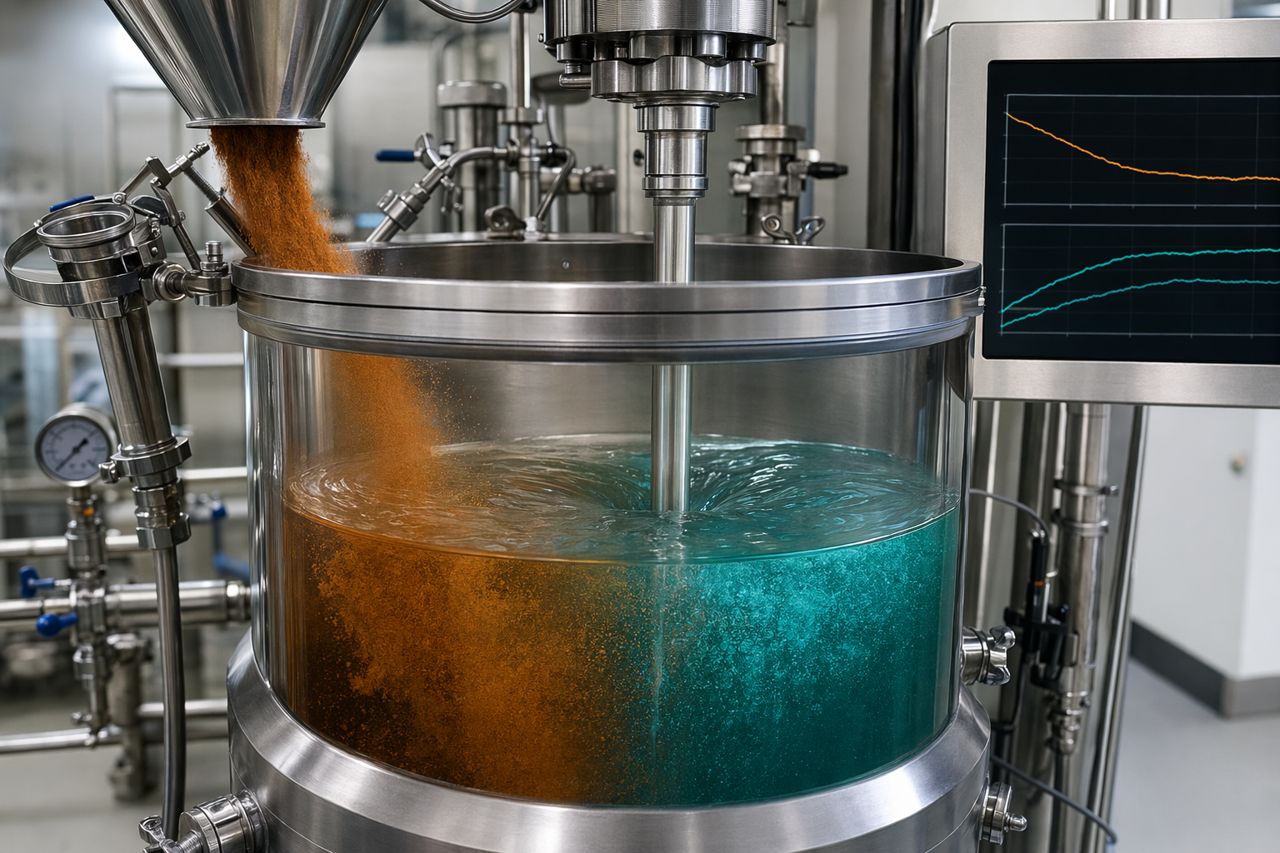
For liquid dosing, maltase powder is typically dispersed into a compatible aqueous phase before addition to the process stream. Exact conditions depend on the formulation, substrate profile, process temperature, pH window, hold time, and desired conversion profile.
Good make-down practice includes:
Add powder slowly into a moving liquid phase to reduce clumping.
Use moderate mixing rather than high-shear conditions unless validated.
Avoid adding powder directly onto hot surfaces or concentrated chemicals.
Prepare only the quantity required for the planned campaign or validated hold time.
Protect prepared solutions from unnecessary heat, long holds, and microbial exposure.
Document preparation time, lot number, operator, and batch destination.
If maltase solution is held before use, validate the hold conditions internally. Do not assume a dry powder shelf life applies to a prepared liquid.
Process compatibility questions to settle before scale-up
Before moving from bench work to production, technical teams should confirm the operating window for the intended substrate and process design.
Key questions:
What maltose concentration will be present at enzyme addition?
Is the enzyme added as powder, slurry, or prepared solution?
What temperature range will the enzyme experience during dosing and hold?
What pH range is present during active conversion?
Are there salts, solvents, preservatives, acids, bases, or cleaning residues that may reduce performance?
Is the goal full conversion, partial conversion, or controlled sweetness development?
Will downstream heat treatment or filtration be used to stop or remove activity?
How will conversion be monitored using the buyer’s internal analytical method?
The best commercial programs define these answers early, then lock storage, make-down, and dosing procedures into controlled work instructions.
Shelf life and partial-container management
Shelf life is lot- and grade-specific. The date on the quality documentation applies to unopened material stored under the stated conditions. Once opened, the risk profile changes. Moisture pickup, repeated handling, and contamination exposure become the primary variables.
For partial containers, use a written site rule that covers:
Maximum number of openings.
Maximum open-container exposure time.
Resealing method.
Secondary containment.
Return-to-storage timing.
Re-test or disposal triggers.
Traceability to each batch where the partial lot is used.
This prevents slow drift in performance and avoids uncertainty during deviation reviews.
Procurement checklist for maltase buyers
When requesting pricing, include the details that affect technical fit and commercial planning:
Target application and substrate source.
Powder format preference and packaging size.
Expected annual volume and order cadence.
Storage constraints at your facility.
Desired documentation package.
Regulatory or regional compliance requirements.
Whether your team needs pilot-scale or production-scale quantities.
Required lead time and delivery location.
Clear use-case information helps align the correct maltase grade, pack configuration, and supply plan without exposing proprietary process details.
Quick handling summary
Step
Recommended practice
Receive
Inspect, quarantine, verify label and quality documents
Store
Keep sealed, cool, dry, and away from heat or humidity
Dispense
Control dust, reduce open time, use clean tools
Prepare
Add slowly to moving compatible liquid; avoid harsh conditions
Hold
Validate liquid hold time separately from dry powder shelf life
Record
Track lot, opening date, batch use, and partial-container return
Request pricing or technical fit guidance
Share your application, expected volume, and packaging needs. Maltiq will respond with maltase powder options aligned to your process and procurement requirements.
Prefer a fast commercial response? Use the form above to get pricing and availability guidance for bulk maltase enzyme powder.