Maltase for Fermentable Sugar Optimization | Maltiq
Technical guide to using maltase for controlled maltose conversion, higher glucose availability, and fermentation performance in brewing, distilling, yeast, and industrial fermentation processes.
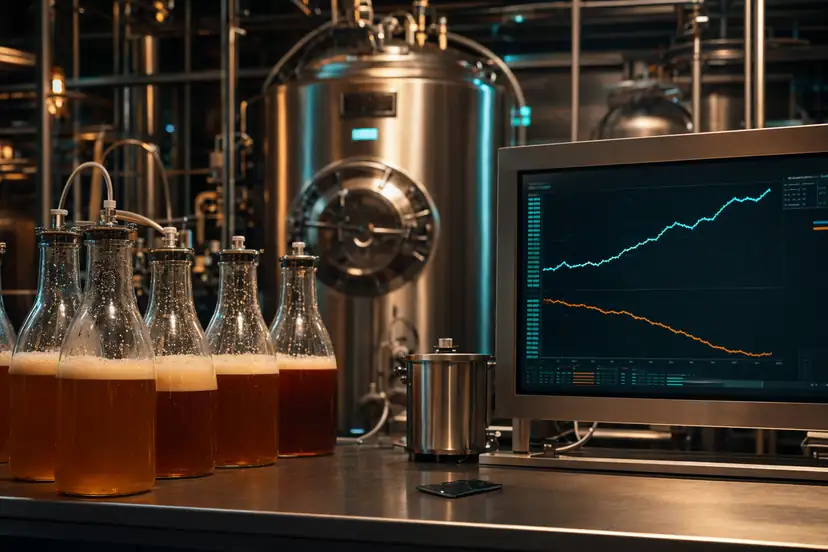
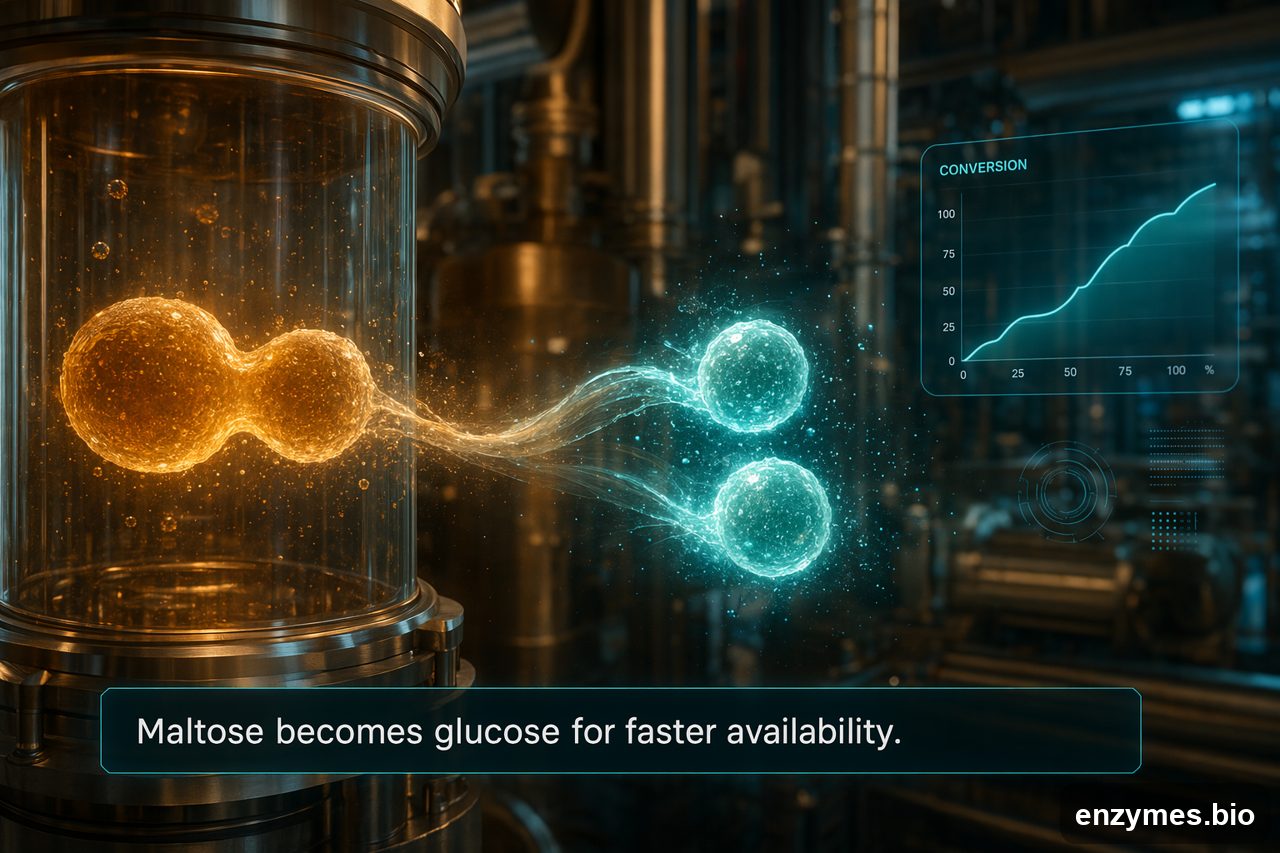
Maltase converts maltose into glucose, making carbohydrate streams more immediately fermentable for yeast and microbial production systems. For breweries, distilleries, yeast manufacturers, and fermentation processors, that conversion can support faster starts, more complete attenuation, cleaner process control, and more predictable yield from maltose-rich substrates.
Maltiq maltase is positioned for teams that need practical saccharification control: R&D groups mapping glucose release, process engineers reducing fermentation variability, procurement teams qualifying dependable enzyme inputs, and production managers protecting batch consistency.
What maltase does in a fermentation process
Maltase, also known as alpha-glucosidase or maltose glucohydrolase, hydrolyzes maltose into glucose. In practical production terms, it helps shift fermentable sugar profiles from disaccharide-heavy to glucose-available.
That matters when fermentation performance is constrained by:
Slow yeast uptake of maltose-rich wort, mash, syrup, or hydrolysate
Delayed fermentation starts after saccharification
Residual maltose at the end of fermentation
Batch-to-batch variability in attenuation or gravity drop
Inconsistent feedstock composition across grain, malt, or starch sources
A need for tighter glucose availability before yeast pitch or microbial inoculation
Maltase does not replace upstream starch liquefaction or primary saccharification enzymes. It is a targeted finishing tool for maltose conversion where glucose availability is the commercial objective.
Where maltase fits
Brewing
In brewing, maltase can be evaluated where a process requires higher glucose availability from maltose-containing wort. It may support faster fermentation onset, controlled attenuation targets, or specific product profiles where fermentable sugar balance is part of the design.
Common evaluation points include:
High-gravity brewing programs
Adjunct-heavy formulations
Low-residual-sugar targets
Yeast performance trials
Fermentation time reduction studies
Consistency programs across malt lots
Distilling
For distilling operations, maltase can help convert maltose remaining after mash saccharification into glucose that is readily used by yeast. This can be valuable when the objective is high fermentability, lower residual sugar, and more consistent alcohol yield from grain or starch-derived substrates.
Typical use cases include:
Grain mash optimization
Maltose cleanup after saccharification
Fermentation completion support
Yield improvement trials
Process standardization across raw material variation
Yeast and microbial fermentation
For yeast propagation and industrial fermentation, glucose availability can influence growth profile, uptake kinetics, and process timing. Maltase can be used to condition maltose-containing carbohydrate feeds before or during fermentation, depending on process strategy.
Potential applications include:
Yeast nutrition systems
Biomass production
Fermentation feed preparation
Controlled glucose release studies
Maltose-rich bystream valorization
Commercial reasons to evaluate maltase
Improve fermentable sugar availability
Maltase converts a less immediately accessible disaccharide into glucose. This can improve substrate readiness when yeast or production microbes perform better with available glucose at the selected process stage.
Reduce residual maltose risk
Residual maltose can indicate incomplete carbohydrate utilization or poor substrate accessibility. Maltase provides a direct route to reduce maltose carryover where process conditions are compatible.
Tighten fermentation predictability
By managing the maltose-to-glucose conversion step, teams can reduce one source of variation in fermentation timing, attenuation, and endpoint consistency.
Support process economics
Maltase may contribute to better raw material utilization, shorter process holds, or more consistent output. The commercial value depends on feedstock, process conditions, microbial strain, and endpoint targets.
Process considerations for R&D and production teams
Maltase performance depends on the full processing environment, not the enzyme alone. During evaluation, focus on the variables that control usable conversion in your system.
Quality constraints: flavor impact, color development, filtration behavior, and downstream recovery
How to build a maltase validation plan
A useful maltase trial should connect enzyme performance to business outcomes, not just sugar conversion data.
Recommended evaluation structure
Define the target: higher glucose availability, lower residual maltose, faster fermentation start, endpoint consistency, or yield support.
Characterize the feed: capture maltose, glucose, total fermentable sugars, solids, pH, and process temperature profile using your approved internal methods.
Select the process point: determine whether maltase is best applied after saccharification, during conditioning, or in early fermentation.
Run controlled comparisons: compare untreated control, current process, and maltase-treated streams under matched conditions.
Measure commercial outcomes: track glucose release, maltose reduction, fermentation curve, endpoint residual sugar, alcohol formation where relevant, and sensory or quality constraints.
Scale deliberately: confirm mixing, contact time, temperature exposure, and enzyme addition method before production deployment.
Procurement and specification priorities
When qualifying maltase for industrial use, ask for information that supports receiving, handling, and production risk control.
Useful qualification topics include:
Enzyme identity and intended industrial application
Physical form and handling profile
Lot consistency expectations
Storage guidance and shelf-life position
Food or fermentation suitability documentation when required
Allergen, GMO, and regulatory documentation relevant to your market
Packaging formats aligned with pilot, scale-up, and production use
Lead time, minimum order planning, and supply continuity
Maltiq supports technical buyers with documentation appropriate for commercial screening, supplier approval, and production planning.
Maltase compared with other saccharification tools
Maltase is specific in purpose. It should be selected when maltose conversion is the target.
Alpha-amylase reduces starch viscosity and produces shorter dextrins.
Glucoamylase releases glucose from starch-derived chains and dextrins.
Pullulanase supports debranching in starch conversion systems.
Maltase focuses on converting maltose into glucose.
In many production systems, maltase is not the first enzyme in the carbohydrate workflow. It is the precision step used when maltose remains commercially important.
Best-fit applications
Maltiq maltase is a strong candidate when your process has:
A measurable maltose fraction after primary saccharification
Yeast or microbial performance linked to glucose availability
Residual sugar targets that require tighter control
Raw material variability affecting fermentation behavior
High-gravity or concentrated substrate conditions under review
A commercial need to improve consistency, yield, or process time
Frequently asked questions
Is maltase the same as glucoamylase?
No. Both can support glucose formation, but they act on different carbohydrate structures. Maltase is used when maltose conversion is the targeted step.
Can maltase be used during fermentation?
It can be evaluated for co-fermentation or early fermentation use if the process environment is compatible. Many teams also test it before inoculation to create a more defined sugar profile.
Will maltase always increase fermentation speed?
Not always. Fermentation speed depends on yeast strain, nutrients, ethanol tolerance, temperature profile, substrate composition, and inhibition factors. Maltase should be validated against your specific performance target.
Does maltase affect flavor?
Maltase changes sugar composition, which can influence fermentation behavior and final profile. Brewing and beverage applications should include sensory checks alongside analytical testing.
What information is needed for a quote?
Helpful details include application, substrate type, target outcome, process stage, annual or trial volume, packaging preference, documentation needs, and delivery location.
Request maltase pricing
If you are evaluating maltase for brewing, distilling, yeast production, or industrial fermentation, Maltiq can help scope the right product format and documentation package for your process.
Prefer procurement follow-up? Use the same form and note “get pricing” in the process goal field.