Maltase in Food Processing: Practical Considerations | Maltiq
Practical B2B guidance on using maltase in food, beverage, and ingredient processing, including use cases, process fit, trial planning, and sourcing considerations.
Maltase in Food Processing: Practical Considerations
Maltase is a targeted processing enzyme for maltose-rich systems. Used correctly, it helps convert maltose into glucose and gives technical teams another lever for fermentability, sweetness profile, reducing sugar balance, browning behavior, and ingredient standardization.
For food, beverage, and ingredient manufacturers, the commercial question is rarely whether maltase can hydrolyze maltose. The real question is whether it fits the substrate, process window, label strategy, cost target, and downstream quality requirements.
What maltase does in a production setting
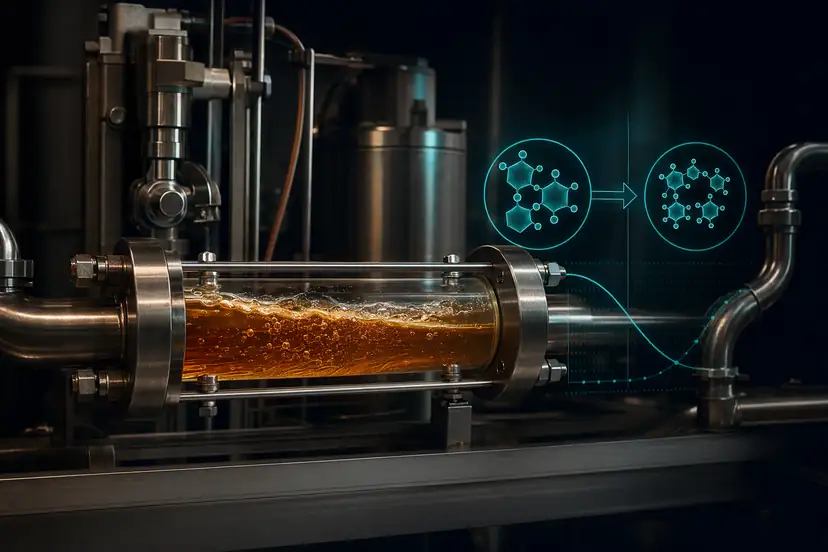
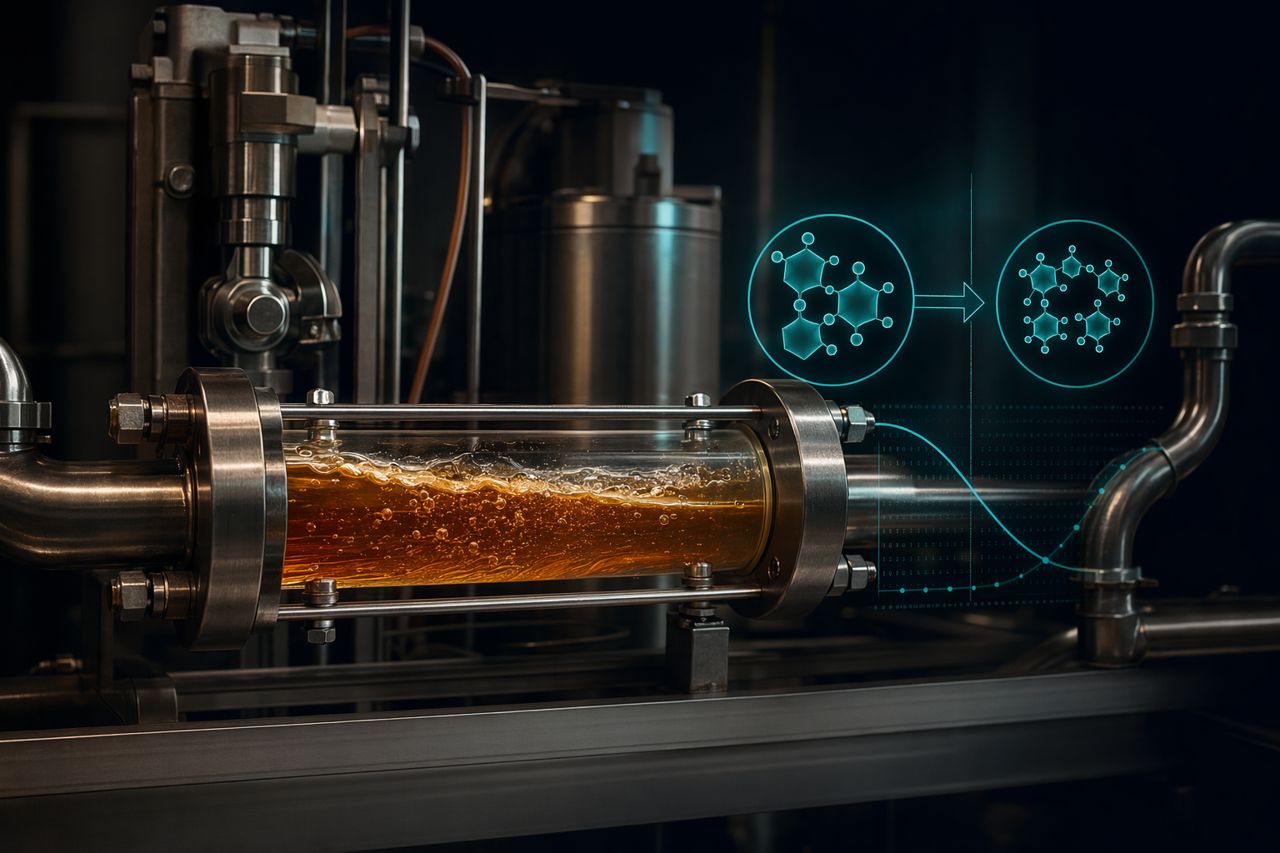
Maltase, also known as alpha-glucosidase or maltose glucohydrolase, catalyzes the hydrolysis of maltose into glucose. In processing language, that means it can help shift a maltose-containing stream toward a more glucose-rich profile.
That shift can influence:
Fermentable sugar availability
Apparent sweetness and sweetness timing
Residual maltose levels in finished or intermediate streams
Reducing sugar concentration
Maillard browning potential in heated systems
Syrup, extract, or base standardization
Yeast performance in selected fermentation environments
Maltase is not a universal replacement for amylase or glucoamylase. It is best evaluated as a focused conversion tool where maltose is already present or generated upstream.
Where maltase can add value
Cereal syrups and maltose-rich hydrolysates
In starch-derived ingredient systems, maltase may be used to adjust the final sugar distribution after upstream starch breakdown. It can support a cleaner move from maltose toward glucose when the product target calls for a more fermentable or more standardized profile.
Common evaluation goals include:
Lower residual maltose
Higher glucose contribution
Tighter batch-to-batch sugar profile
Improved fit to customer sweetness or fermentation specifications
Better control before concentration, blending, or drying
Malt extracts and malt-based ingredients
Malt extracts can carry complex carbohydrate and sugar profiles depending on grist, mash program, and concentration method. Maltase may be evaluated where maltose conversion is needed to tune extract behavior in beverages, bakery systems, sauces, confectionery fillings, or savory bases.
Key watchpoints include flavor preservation, color development during heating, and any change in viscosity or handling behavior.
Beverage and fermentation-adjacent systems
Where maltose availability limits fermentation performance, maltase can help increase glucose availability. This is relevant in selected brewed, fermented, or low-alcohol process designs where sugar profile affects yeast uptake, fermentation pace, or residual sweetness.
Maltase should be screened with the actual process organisms and formulation conditions. Yeast strain, pH, ethanol formation, acids, preservatives, and heat steps can all change the practical result.
Bakery and dough fermentation support
In bakery systems, maltose conversion can affect fermentable sugar availability and browning. Maltase may be considered in dough systems, malted ingredient blends, or fermentation-support strategies where the objective is controlled sugar release rather than broad starch liquefaction.
Trial work should measure dough handling, proof behavior, finished color, crust development, flavor, and shelf-life indicators.
Ingredient standardization
Processors supplying blends, bases, extracts, or functional carbohydrate ingredients may use maltase as part of a standardization strategy. The enzyme can help narrow variation in maltose and glucose levels when incoming raw materials or upstream conversion steps vary.
For procurement and quality teams, the value is consistency: a more predictable specification, fewer corrective blends, and a clearer process control point.
Practical process considerations
1. Start with the real substrate
Model sugar solutions are useful for screening, but they do not replace trials in the actual process stream. Minerals, proteins, fats, fibers, phenolics, ethanol, acids, preservatives, and solids content can all affect observed performance.
Use representative production material when evaluating:
Maltose reduction
Glucose formation
Flavor impact
Color shift after heating
Viscosity or solids handling
Filtration or centrifugation behavior
Microbial or fermentation response
2. Define the conversion target before dosing trials
A maltase trial should not begin with a generic add-more-until-it-works approach. Define the required conversion endpoint first.
Useful targets may include:
A maximum residual maltose level
A target glucose-to-maltose ratio
A fermentation performance target
A sweetness or solids specification
A browning or color target after heat treatment
A downstream customer specification
Clear targets make procurement conversations easier because the enzyme is evaluated against process value, not just input cost.
3. Match the enzyme to the process window
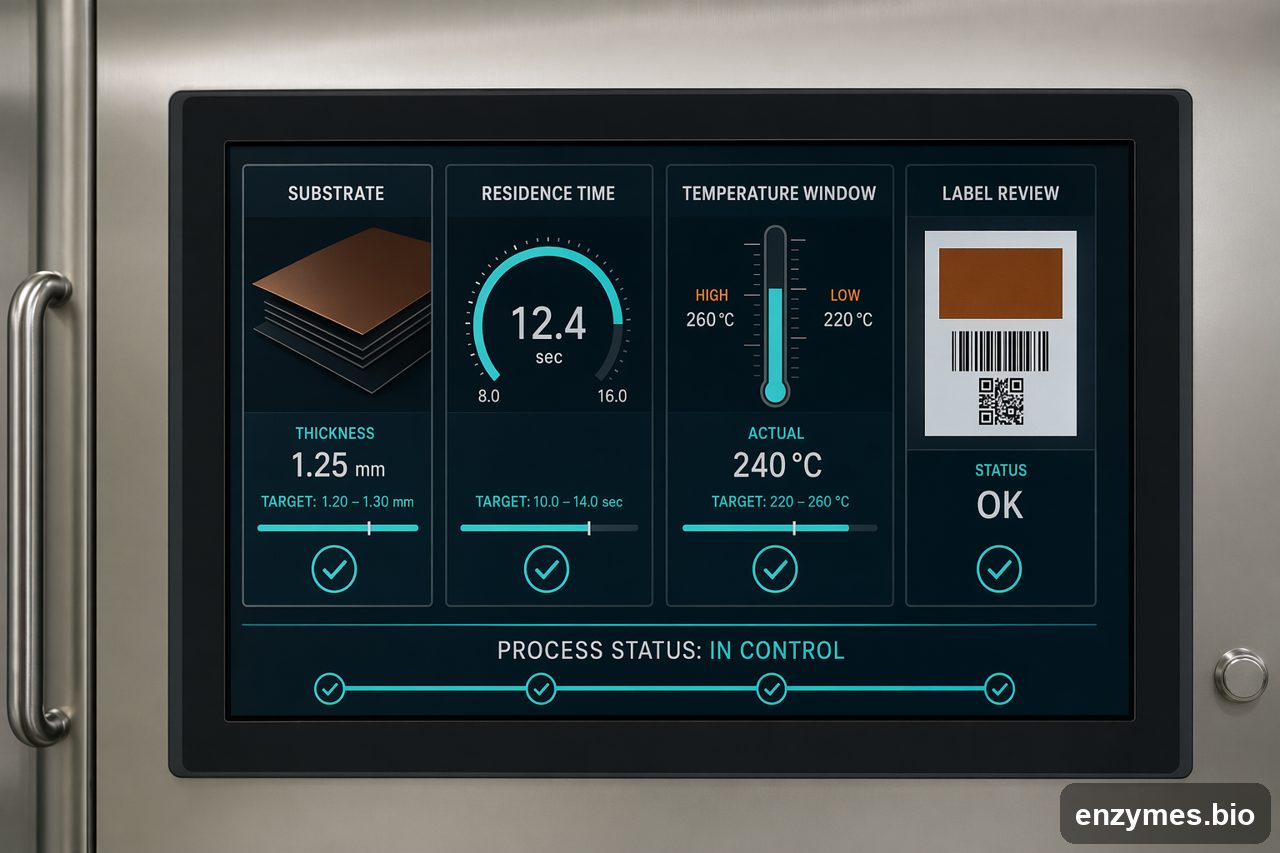
Maltase performance depends on the operating environment. For industrial trials, evaluate the enzyme under the pH, temperature, solids, residence time, and mixing conditions you intend to use at scale.
Important questions:
Can the enzyme work within the existing hold step?
Is a new residence time required?
Does the process need pH adjustment?
Will conversion continue during transfer, holding, or packaging?
Is a defined heat-inactivation step required?
Does the product tolerate the resulting glucose increase?
4. Check compatibility with other enzymes
Many food processes already use amylases, glucoamylase, proteases, cellulases, or specialty carbohydrases. Maltase may work best as part of a sequence rather than as a standalone addition.
Evaluate the order of addition, hold conditions, and potential overlap with existing enzymes. The goal is not maximum enzyme complexity. The goal is the fewest interventions that reliably hit the sugar profile and quality target.
5. Consider downstream consequences
Converting maltose into glucose can change more than the sugar table. It may affect heat color, flavor development, osmotic behavior, fermentation kinetics, and labeling review. In some products, this is desirable. In others, it must be tightly controlled.
Downstream checks should include:
Thermal color formation
Sensory impact
Water activity and solids balance
Fermentation rate and final residual sugars
Syrup concentration behavior
Powder drying or stickiness risk where applicable
Packaging stability
What buyers should ask before sourcing maltase
A strong maltase supply discussion should cover more than price. R&D, procurement, and manufacturing teams should align on these points before qualification:
Intended application and substrate type
Target sugar profile or conversion endpoint
Process pH and temperature range
Batch, continuous, or semi-continuous operation
Required form: liquid, powder, or customized format
Food-grade documentation needs
Allergen and carrier review
Country-of-use and regulatory expectations
Shelf-life and storage requirements
Packaging format and plant handling constraints
Lot consistency and supply continuity
Trial plan for food and beverage teams
A practical maltase evaluation can be structured in five stages.
Stage 1: Application brief
Document the feedstock, current sugar profile, target profile, process hold, thermal steps, and quality constraints. Include any existing enzyme program.
Stage 2: Bench screening
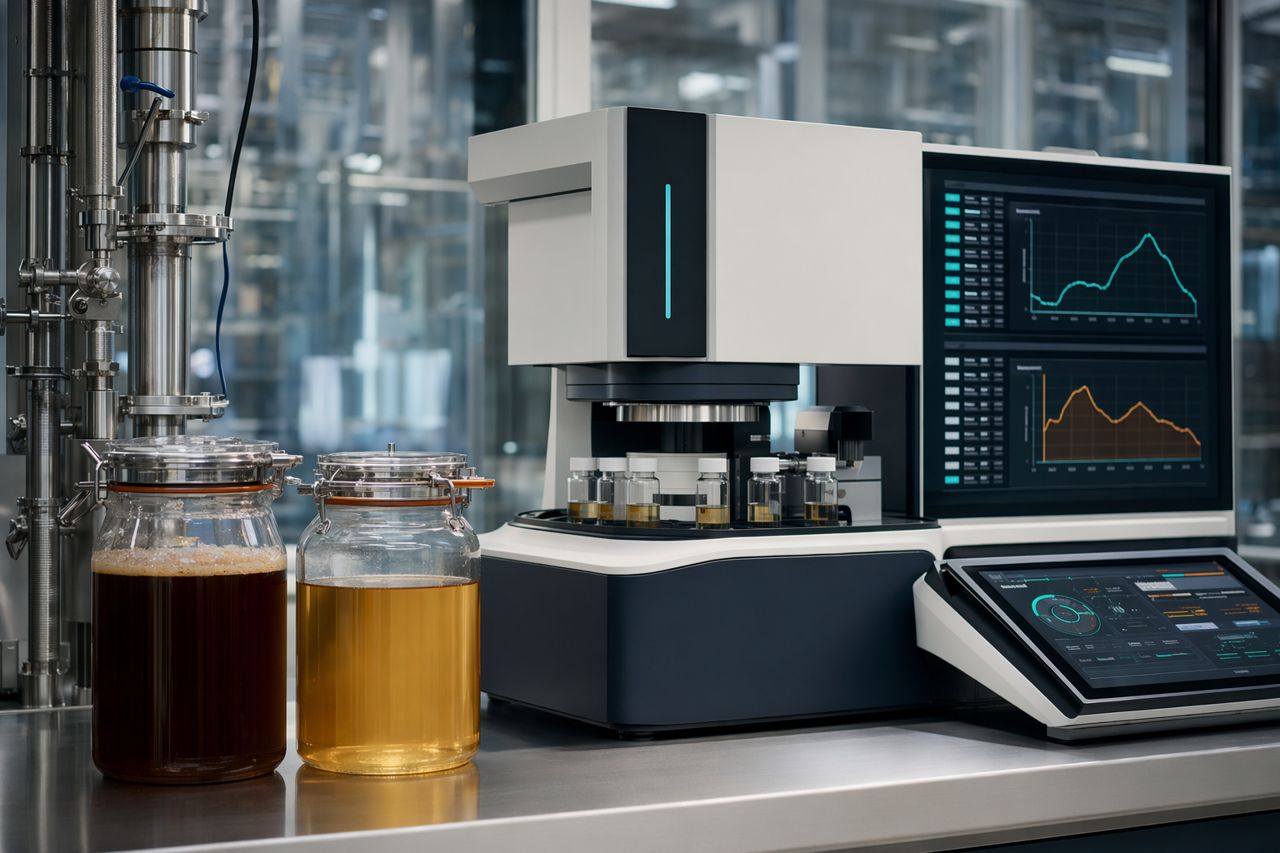
Run small-scale trials with the real process material. Track maltose, glucose, pH, color, viscosity, flavor, and any process-specific quality metrics.
Stage 3: Process-fit challenge
Test the selected condition against expected plant variation: raw material changes, solids range, hold-time variation, and temperature drift.
Stage 4: Pilot or line trial
Confirm mixing, timing, transfer behavior, inactivation, and downstream performance under realistic equipment conditions.
Stage 5: Commercial qualification
Finalize specification, documentation, packaging, storage, and supply plan before routine production use.
When maltase may not be the right primary tool
Maltase is most useful when maltose conversion is the bottleneck. It may not be the best lead enzyme when the main objective is starch liquefaction, dextrin breakdown, viscosity reduction, or broad saccharification from complex starch.
In those cases, maltase may still have a role downstream, but the primary enzyme choice may be different. The most cost-effective process often combines upstream starch conversion with targeted final sugar adjustment.
Summary for commercial teams
Maltase can help processors convert maltose-rich streams into more glucose-forward systems with better control over fermentability, sweetness behavior, and sugar specification. The strongest projects begin with a defined conversion target, representative substrate testing, and a realistic view of downstream effects.
For R&D, the value is controlled functionality. For process engineering, it is a defined conversion step. For procurement, it is specification-driven sourcing. For manufacturing, it is repeatability.
Request pricing or application support
Share your substrate, process conditions, target sugar profile, and intended product format. Maltiq will review the application and respond with sourcing options, documentation availability, and next-step trial guidance.