Maltase Glossary: Maltose, Glucose, Saccharification, and Alpha-Glucosidase
A concise B2B glossary for maltase-related terms including maltose, glucose, saccharification, alpha-glucosidase, conversion, residual maltose, and process fit.
Maltase Glossary: Maltose, Glucose, Saccharification, and Alpha-Glucosidase
Maltase language can be deceptively simple. In production, each term connects to a real decision: substrate selection, process sequence, conversion target, hold time, quality release, procurement specification, and cost-in-use.
This glossary is built for R&D, process engineering, procurement, and manufacturing teams evaluating Maltase (alpha-glucosidase; maltose glucohydrolase) for controlled maltose hydrolysis and saccharification workflows.
Quick definition
Maltase is an enzyme that hydrolyzes maltose into glucose. In commercial language, maltase may also be described as alpha-glucosidase or maltose glucohydrolase, depending on supplier convention, regulatory documentation, and application context.
In practical terms, maltase is used when a process needs to reduce residual maltose and increase glucose formation in a controlled, measurable way.
Maltase glossary
Maltase
Maltase is the working name for an enzyme that acts on maltose and releases glucose. For buyers, the important question is not the name alone; it is whether the maltase fits the substrate, process pH, temperature window, contact time, and downstream quality target.
Common commercial evaluation points include:
Maltose reduction target
Glucose formation profile
Fit with upstream starch conversion enzymes
Performance consistency across lots
Liquid or powder format preference
Handling, storage, and documentation requirements
Compatibility with the plant’s thermal and pH conditions
Alpha-glucosidase
Alpha-glucosidase is a broader technical term for enzymes that cleave alpha-glucosidic bonds from certain carbohydrate substrates. Maltase activity is commonly discussed within this alpha-glucosidase family.
In sourcing discussions, alpha-glucosidase can refer to products with different substrate preferences. Confirm whether the material is intended primarily for maltose hydrolysis, broader oligosaccharide trimming, or a blended saccharification role.
Maltose glucohydrolase
Maltose glucohydrolase is a formal descriptive name for maltase-type function: hydrolyzing maltose to glucose. It is useful in specifications, technical dossiers, and cross-functional documentation because it states the substrate and product relationship clearly.
Maltose
Maltose is a disaccharide made of two glucose units. It is commonly generated during starch breakdown and is a key intermediate in saccharification processes.
Commercially, maltose matters because residual maltose can influence:
Fermentable sugar profile
Sweetness balance
Syrup composition
Downstream conversion efficiency
Process endpoint definition
Quality release criteria
When maltose needs to be driven lower, maltase can be used as a finishing enzyme or as part of a coordinated carbohydrate conversion system.
Glucose
Glucose is the monosaccharide product formed when maltase hydrolyzes maltose. In many industrial contexts, glucose is the desired output because it is more directly fermentable, more analytically straightforward to track, and central to many syrup and bioprocess specifications.
For production teams, the useful metric is not simply whether glucose appears. It is whether glucose formation is consistent, controllable, and aligned with the finished product specification.
Saccharification
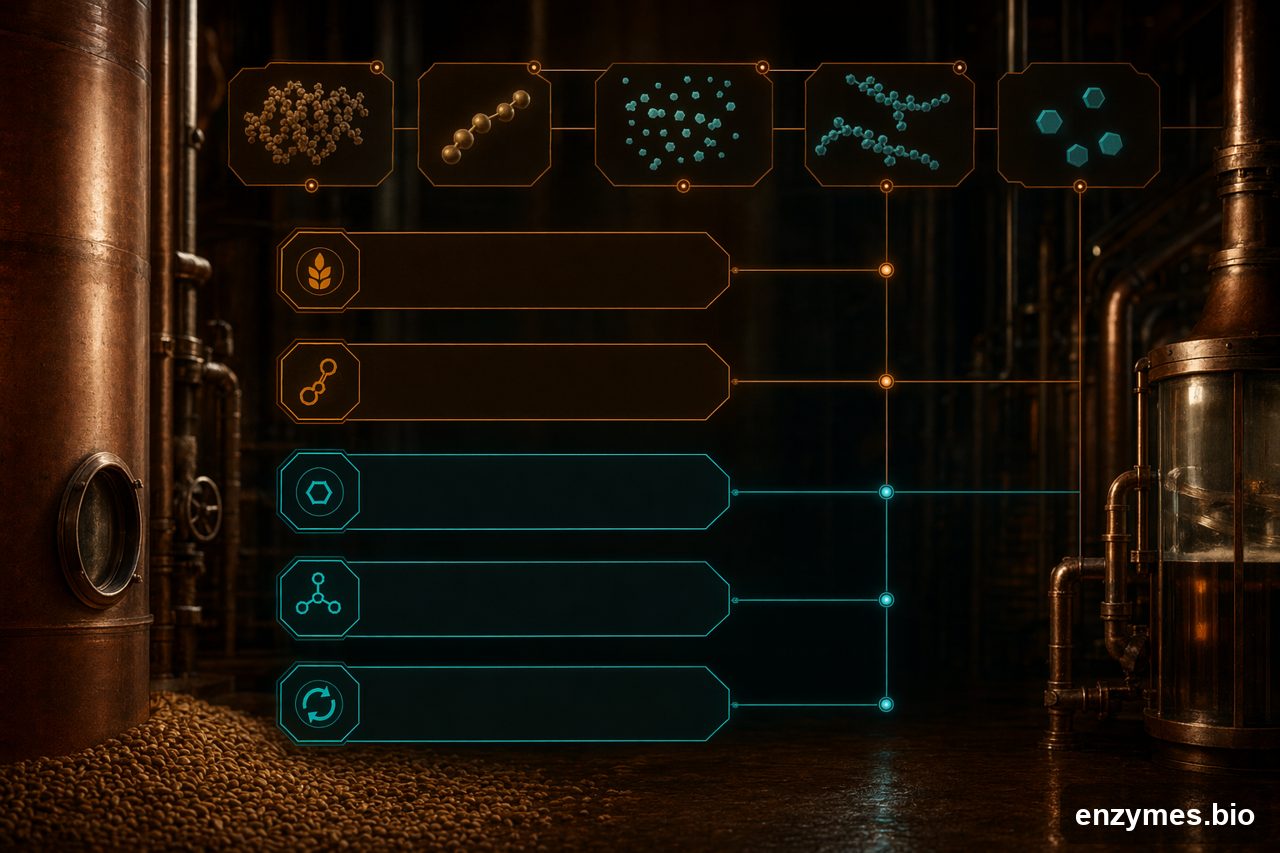
Saccharification is the controlled breakdown of starch-derived carbohydrates into simpler sugars. Maltase is often used after upstream enzymes have generated maltose-rich intermediates.
A typical saccharification strategy may involve:
Starch liquefaction or dextrin preparation
Production of maltose and other soluble carbohydrates
Maltase addition to reduce maltose and increase glucose
Endpoint confirmation against the product’s required sugar profile
Enzyme management before downstream concentration, fermentation, filtration, or blending
Exact sequence depends on substrate, plant constraints, and commercial target.
Hydrolysis
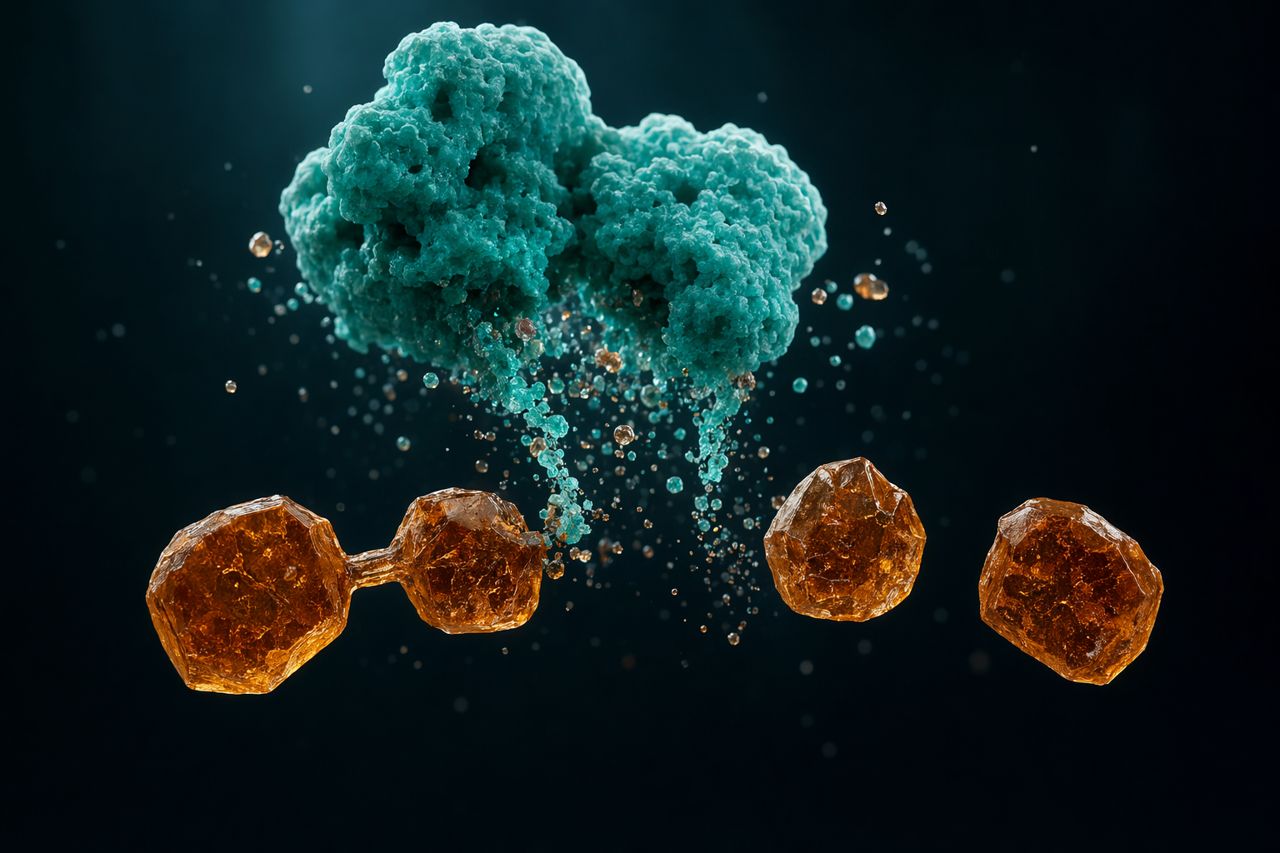
Hydrolysis is the chemical reaction in which water participates in breaking a bond. Maltase performs enzymatic hydrolysis of maltose, splitting one maltose molecule into two glucose molecules.
In plant language, hydrolysis is managed through conditions such as temperature, pH, contact time, mixing, substrate concentration, and compatibility with other formulation components.
Residual maltose
Residual maltose is the maltose remaining after conversion. It is one of the most commercially important terms in maltase work because it connects directly to process endpoint and product consistency.
Teams usually define residual maltose expectations before trial work begins. This keeps R&D, manufacturing, quality, and procurement aligned on what “complete enough” means for the application.
Conversion
Conversion describes the movement from substrate to product, in this case from maltose toward glucose. In maltase projects, conversion should be discussed as a controlled outcome rather than a vague performance claim.
Useful conversion questions include:
What is the starting maltose profile?
What glucose level is required at endpoint?
How much residual maltose is acceptable?
How long can the process hold before downstream steps?
Are other enzymes active in the same window?
Does the process need a liquid enzyme format, powder format, or custom supply configuration?
Dextrose equivalent
Dextrose equivalent, often abbreviated as DE, is a way to describe the degree of starch carbohydrate breakdown relative to dextrose. While maltase does not define DE by itself, maltase can influence the final sugar profile by converting maltose into glucose.
For specification work, DE should be interpreted alongside actual sugar composition, not as a replacement for maltose and glucose data.
Fermentable sugars
Fermentable sugars are sugars that microorganisms can metabolize in fermentation. Glucose is commonly a preferred fermentable sugar, while maltose utilization depends on the organism and process.
Maltase can be relevant when a process needs to shift a carbohydrate stream toward more immediately fermentable glucose.
Enzyme compatibility
Enzyme compatibility refers to whether maltase can operate effectively alongside other enzymes, process aids, salts, substrates, or formulation components.
Compatibility should be reviewed early when maltase is added to an existing process. A maltase that performs well in isolation may need adjustment in a real process stream with solids, minerals, heat history, or other active enzymes.
Process window
Process window describes the operating conditions where maltase delivers useful performance. This typically includes pH, temperature, contact time, substrate concentration, and hold conditions.
For B2B sourcing, the best process window is not always the widest one. It is the one that matches your plant reality with minimal disruption.
Endpoint
Endpoint is the defined stopping point of the conversion step. It may be based on residual maltose, glucose formation, overall sugar profile, viscosity shift, fermentation readiness, or a finished-product specification.
Strong maltase projects define the endpoint before discussing dosage strategy or commercial supply.
Common maltase synonyms and related terms
Term
Practical meaning
Maltase
Enzyme used to hydrolyze maltose into glucose
Alpha-glucosidase
Broader enzyme-family term; confirm substrate fit
Maltose glucohydrolase
Formal function-based name for maltose-to-glucose hydrolysis
Maltose
Two-glucose sugar and key substrate for maltase
Glucose
Product of maltase hydrolysis and common commercial target
Saccharification
Controlled breakdown of starch-derived carbohydrates into simpler sugars
Hydrolysis
Bond-breaking reaction that converts maltose into glucose
Residual maltose
Maltose remaining after conversion
Conversion
Progress from maltose substrate toward glucose product
Endpoint
Defined process target for stopping or moving downstream
How to use this glossary in a maltase specification
A strong maltase specification should translate vocabulary into process requirements. Before requesting samples or commercial pricing, align on the following:
Application: syrup, fermentation feedstock, starch conversion, beverage base, food ingredient stream, or other industrial use
Starting carbohydrate profile: maltose-rich, mixed oligosaccharides, dextrin-containing, or blended stream
Target sugar profile: desired glucose formation and acceptable residual maltose
Process conditions: pH, temperature range, mixing, hold time, and sequence position
Format preference: liquid, powder, or project-specific handling requirement
Quality documentation: food grade, technical grade, allergen position, origin, regulatory package, and lot traceability needs
Commercial expectation: trial volume, scale-up plan, lead time, annual demand, and cost-in-use target
Buyer notes: what to clarify before pricing
Procurement teams can shorten qualification time by asking for process-relevant information instead of generic enzyme claims.
Clarify:
Whether the maltase is positioned for maltose hydrolysis specifically
Whether the supplier can support consistent lot documentation
Whether the product format fits receiving, storage, and dosing equipment
Whether the recommended use case matches your substrate and processing window
Whether the commercial package supports pilot, validation, and production scale
Avoid relying only on broad labels such as “alpha-glucosidase.” The decisive point is process fit.
FAQ
Is maltase the same as alpha-glucosidase?
Maltase is commonly discussed as an alpha-glucosidase, but alpha-glucosidase is a broader term. When sourcing, confirm the product’s intended substrate profile and whether it is designed for practical maltose-to-glucose conversion.
What does maltase produce?
Maltase hydrolyzes maltose to produce glucose. One maltose molecule is split into two glucose molecules.
Where does maltase fit in saccharification?
Maltase typically fits after upstream starch breakdown has produced maltose-rich intermediates. It can be used to reduce residual maltose and push the sugar profile toward glucose.
What should be measured in a maltase trial?
Common trial endpoints include maltose reduction, glucose formation, total sugar profile, viscosity behavior where relevant, hold-time fit, and downstream performance. The right endpoint depends on the application.
What information is needed to request maltase pricing?
Provide the application, target sugar profile, expected usage scale, preferred enzyme format, process pH and temperature range, regulatory requirements, and timeline. This allows pricing to reflect real cost-in-use rather than a generic offer.
Request a quote or get pricing
Use Maltiq’s maltase quote request form to define the application, format, documentation, and volume range. Our team will respond with practical next steps for specification, sampling, and commercial supply.