
Maltiq · learn
Where Maltase Fits in Saccharification Workflows
A practical guide to maltase in saccharification sequences, including where it acts, when to evaluate it, and what process teams should validate before scale-up.
Request pricingPrecision maltose conversion for industrial sugar control.
Maltiq · learn
A practical guide to maltase in saccharification sequences, including where it acts, when to evaluate it, and what process teams should validate before scale-up.
Request pricingOverview
Maltase, properly described as Maltase (alpha-glucosidase; maltose glucohydrolase), is a targeted finishing enzyme for carbohydrate conversion systems where residual maltose control matters. In saccharification, its job is direct: hydrolyze maltose into glucose and help move a process closer to its intended fermentable sugar or glucose profile.
For process engineers, maltase is not a generic starch enzyme and it is not the first tool for liquefaction. It fits later in the sequence, after upstream enzymes and process conditions have generated maltose-rich intermediates. Used correctly, it can support tighter conversion control, cleaner downstream fermentation behavior, and more predictable carbohydrate specifications.

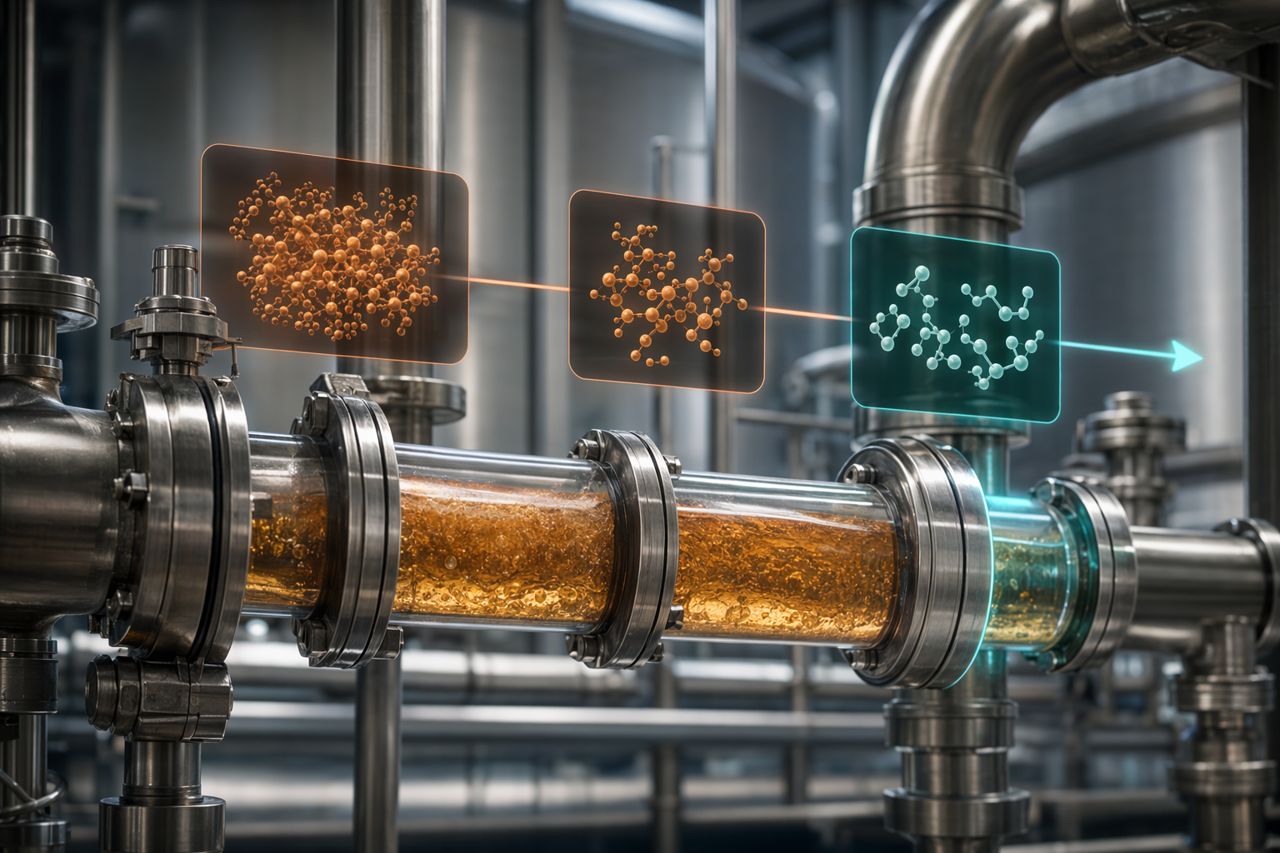
Saccharification workflows often involve multiple enzyme functions. Starch or dextrin substrates are first opened, shortened, or debranched by upstream systems. Maltase becomes relevant when the stream contains maltose that must be reduced further.
In commercial terms, maltase is evaluated when teams need to:
The value is not simply “more enzyme.” The value is a more controlled end point.
A typical saccharification train may include liquefaction, dextrin conversion, debranching, and final sugar-profile adjustment. Maltase normally belongs in that final adjustment zone, where the substrate has already been made accessible and maltose is present in meaningful concentration.
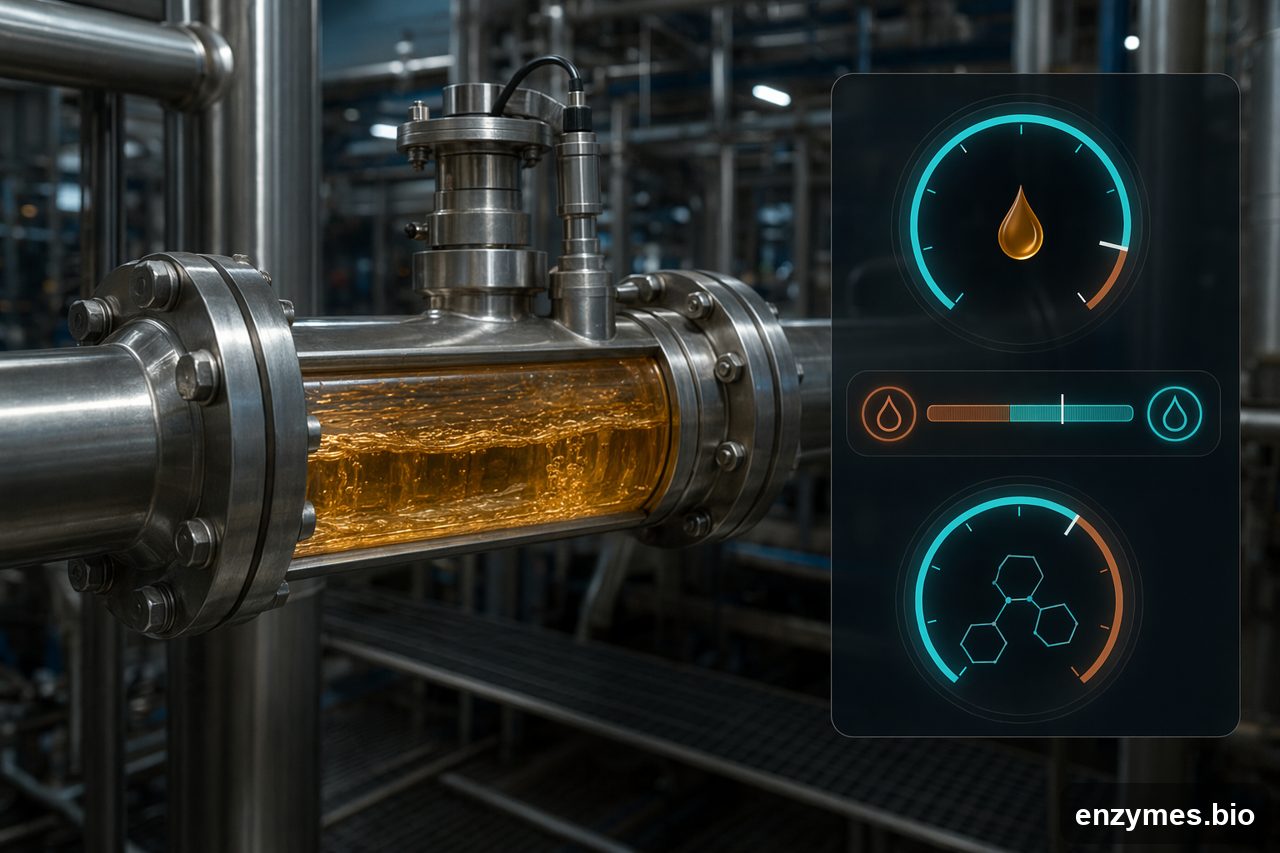
This sequence approach helps avoid using maltase too early, where substrate accessibility, viscosity, or competing process conditions may limit its commercial impact.
Maltase is most useful when the bottleneck is not starch opening, but residual maltose conversion.
Maltase should not be treated as a substitute for poor liquefaction, inadequate mixing, insufficient residence time, or a mismatched primary saccharification system. If the substrate is not prepared properly, maltase can become a finishing tool applied to an upstream problem.
Maltase selection should be evaluated against the actual process, not only against a catalog description. Key variables include:
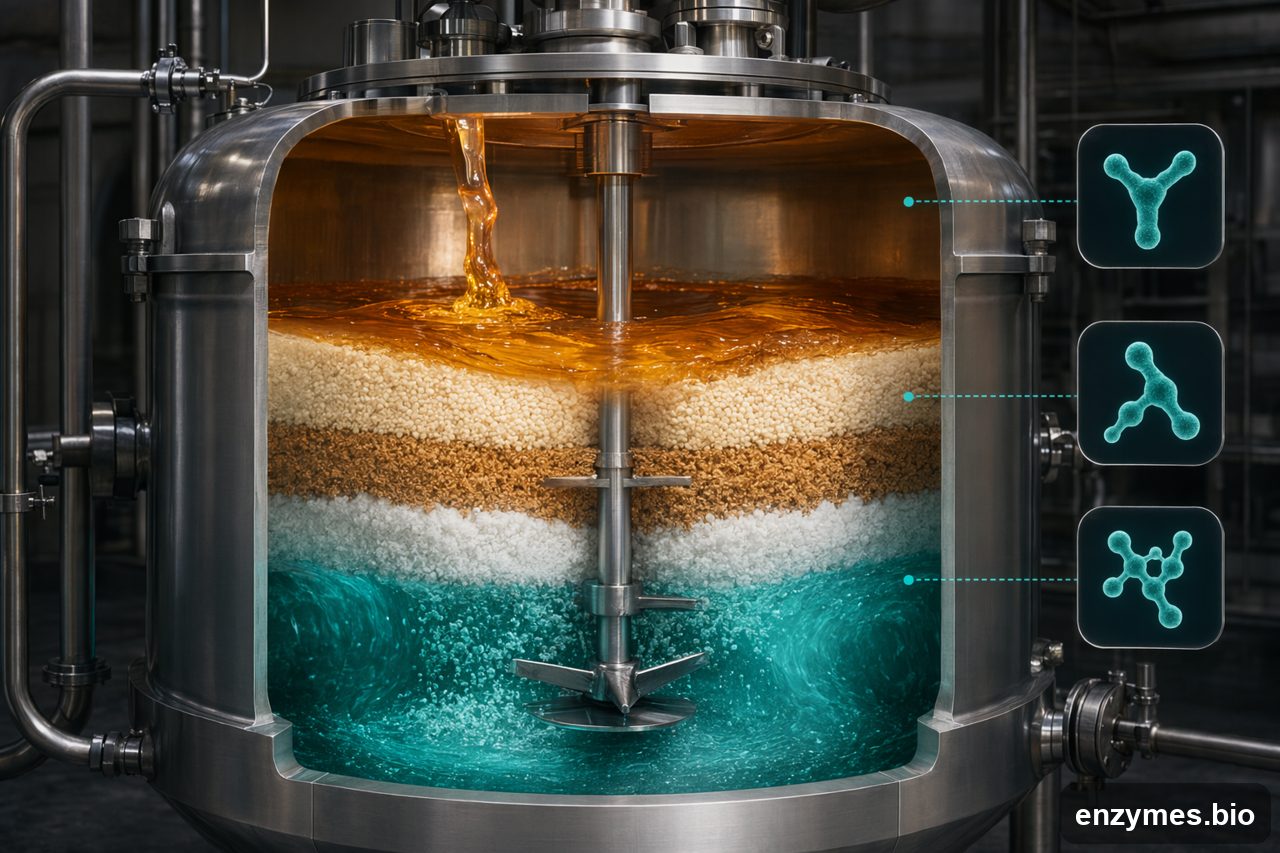
The right evaluation is practical: compare the baseline sugar profile against the maltase-assisted profile under realistic plant conditions.
Maltase should be justified by measurable process value. Typical commercial drivers include:
The decision is usually not based on enzyme price alone. Procurement and manufacturing teams should evaluate total process impact: conversion improvement, hold-time pressure, batch reliability, supply continuity, documentation, and scale-up support.
| Workflow | Maltase fit | What to validate |
|---|---|---|
| Starch saccharification | Final maltose conversion support | Glucose lift, residual maltose, residence time impact |
| Fermentation feed prep | Improve fermentable sugar availability | Strain response, transfer timing, sugar profile stability |
| Brewing and distilling | Adjust fermentability and residual maltose | Mash sequence, thermal window, flavor/process constraints |
| Ingredient hydrolysates | Tighten carbohydrate specification | Final sugar distribution, downstream processing behavior |
| R&D sequence screening | Compare finishing strategies | Baseline vs. maltase-assisted conversion under plant-like conditions |
A useful maltase quote starts with process context. Before requesting pricing, prepare:
This information allows a maltase option to be scoped for commercial fit instead of treated as a generic line item.
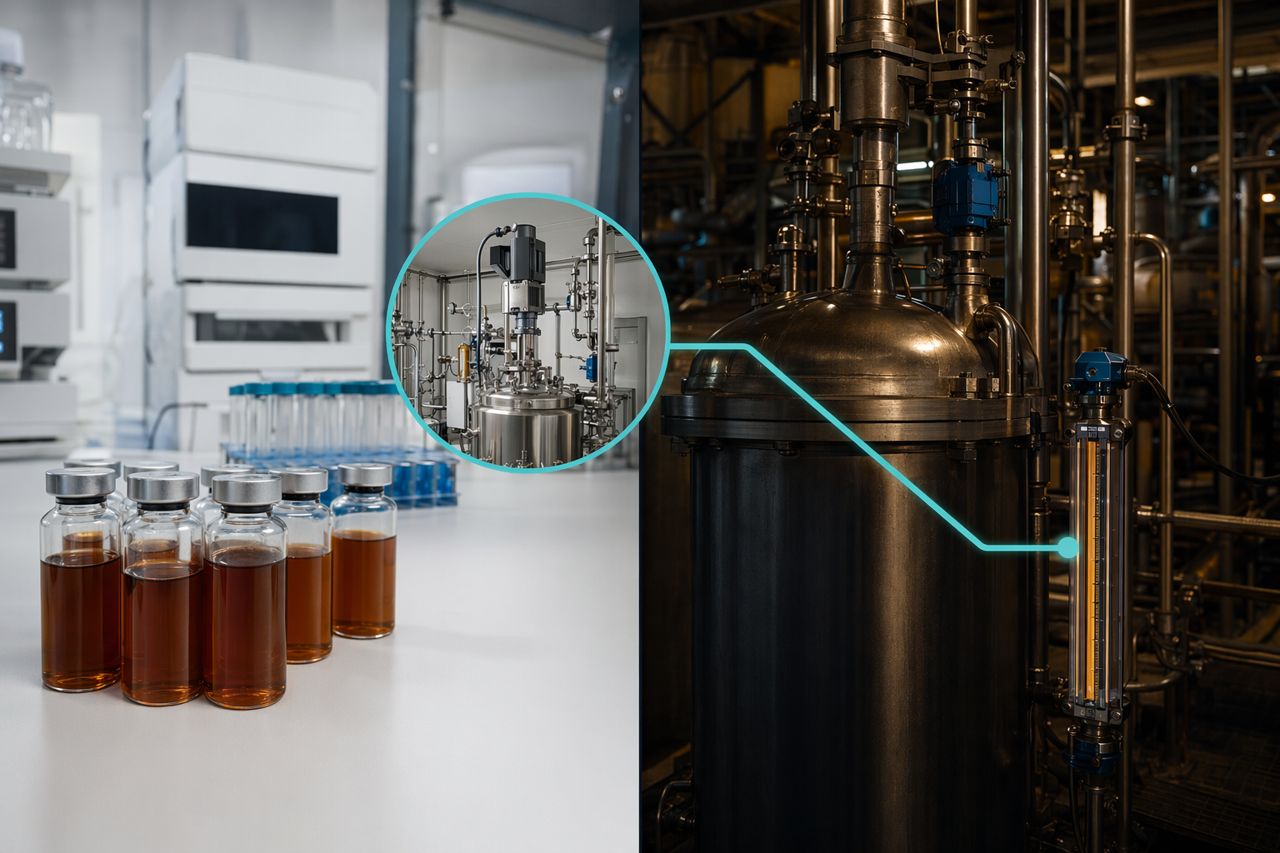
For pilot and production trials, keep the evaluation disciplined:
A controlled trial should answer one question clearly: does maltase improve the conversion window enough to justify its position in the workflow?
If you are evaluating maltase for saccharification, share your process window and target conversion outcome. Maltiq can help scope a maltase option for R&D screening, pilot work, or production supply.
Prefer a quick commercial response? Use the form above to get pricing and include your intended addition point, operating window, and required documentation.
Process

Applications
Enquire
Tell us your application and volume — we reply with pricing and lead time.