Maltiq · learn
How Maltase Hydrolyzes Maltose into Glucose
Learn how maltase converts maltose into glucose and how controlled hydrolysis supports brewing, fermentation, syrup, bakery, and carbohydrate processing decisions.
Request pricingPrecision maltose conversion for industrial sugar control.
Maltiq · learn
Learn how maltase converts maltose into glucose and how controlled hydrolysis supports brewing, fermentation, syrup, bakery, and carbohydrate processing decisions.
Request pricingOverview
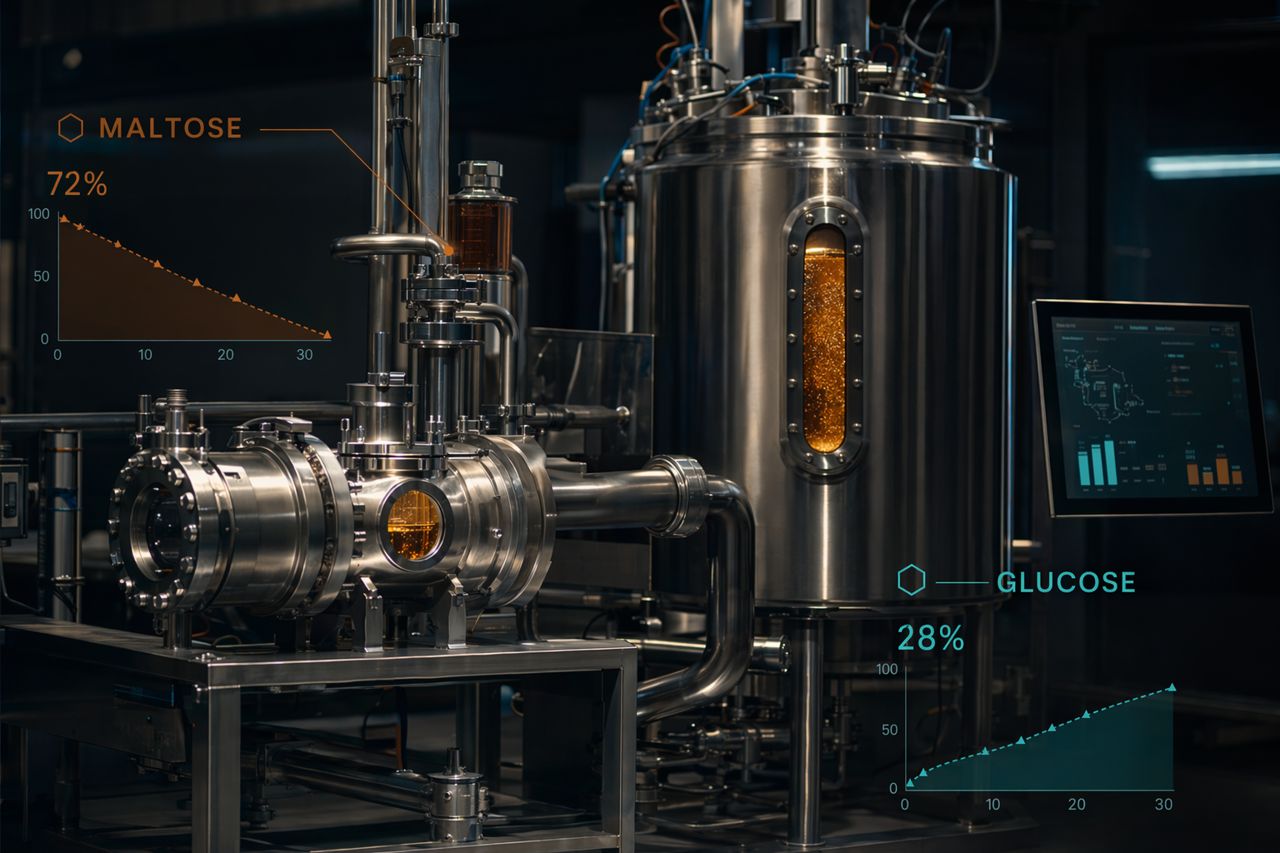
Maltase, also known as alpha-glucosidase or maltose glucohydrolase, catalyzes a simple but commercially important conversion: maltose plus water becomes two glucose molecules. For processors, the value is not the reaction diagram alone. The value is controlled saccharification: predictable glucose release, cleaner fermentable profiles, and tighter control over downstream sweetness, attenuation, viscosity, browning behavior, and yield.
Maltiq focuses on maltase as an industrial processing tool for teams that need measurable conversion without overcomplicating the carbohydrate system.
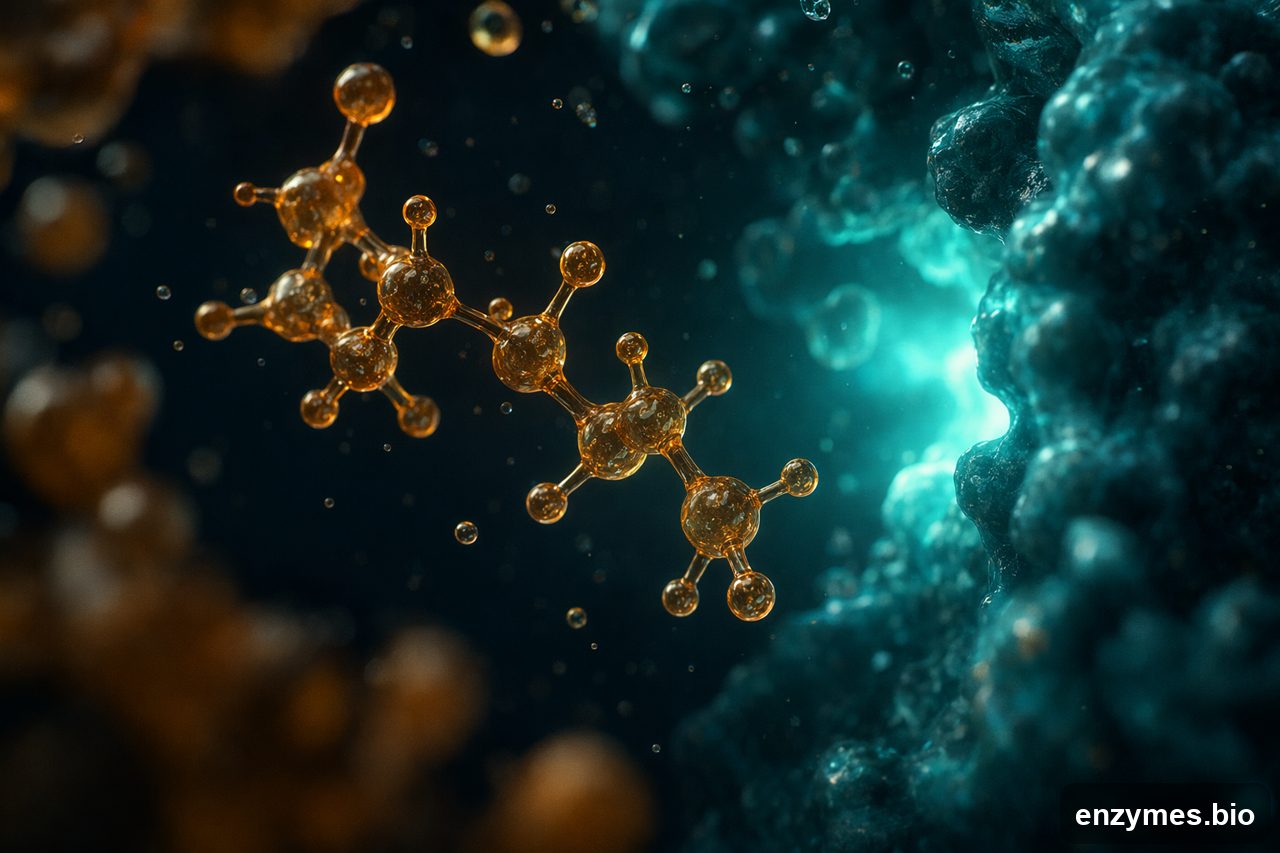
Maltose is a disaccharide made from two glucose units connected by an alpha-1,4 glycosidic bond. Maltase hydrolyzes that bond by adding water across the linkage.
Process equation:
Maltose + water -> glucose + glucose
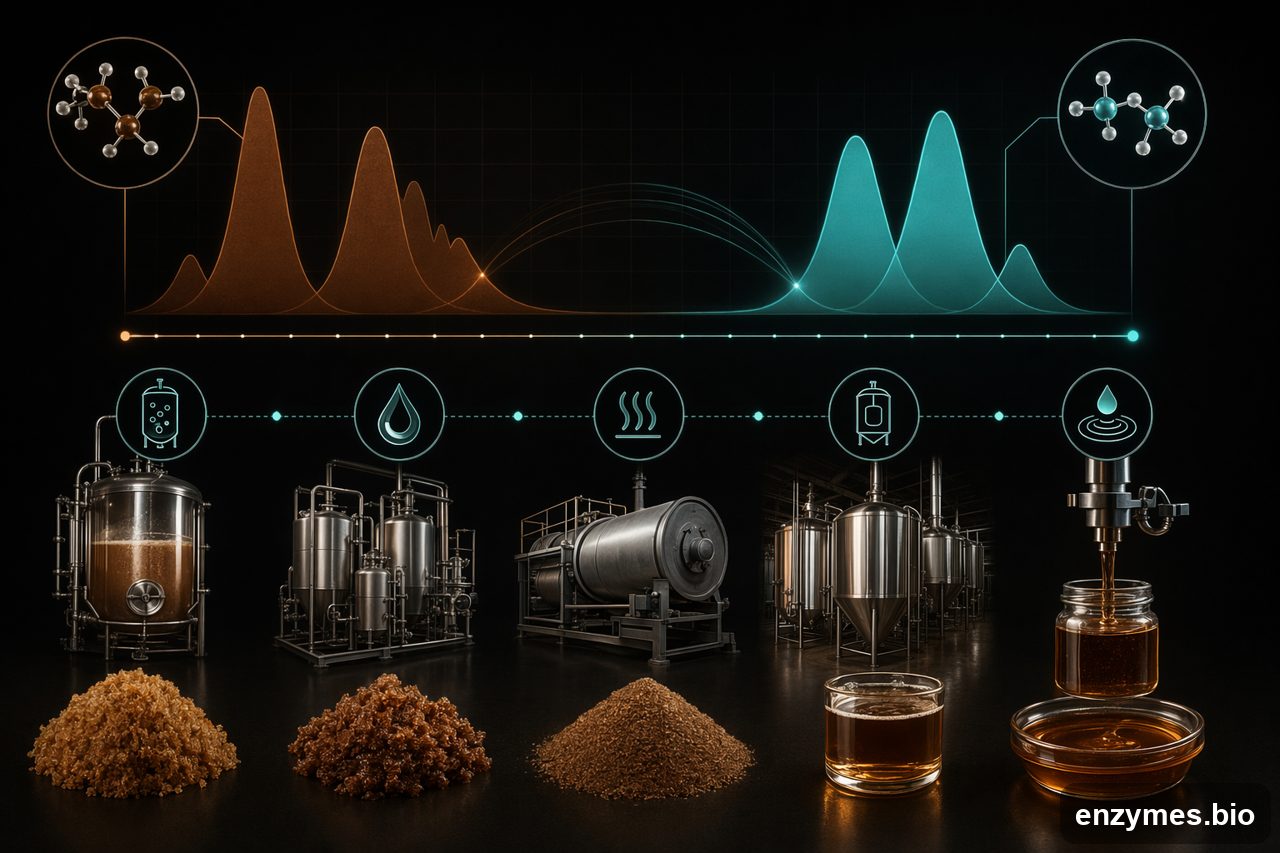
In practical terms, maltase shifts the carbohydrate profile from a maltose-rich stream toward a glucose-rich stream. That shift can change fermentation kinetics, sweetness perception, osmotic behavior, Maillard potential, and analytical sugar balance.
Maltose is useful, but it is not always the endpoint. Many manufacturing processes require faster glucose availability, more complete fermentability, or a defined reducing sugar profile.
Common process objectives include:
Maltase is especially relevant when maltose remains after upstream amylase action and the process target is a cleaner glucose profile rather than a broader dextrin breakdown.
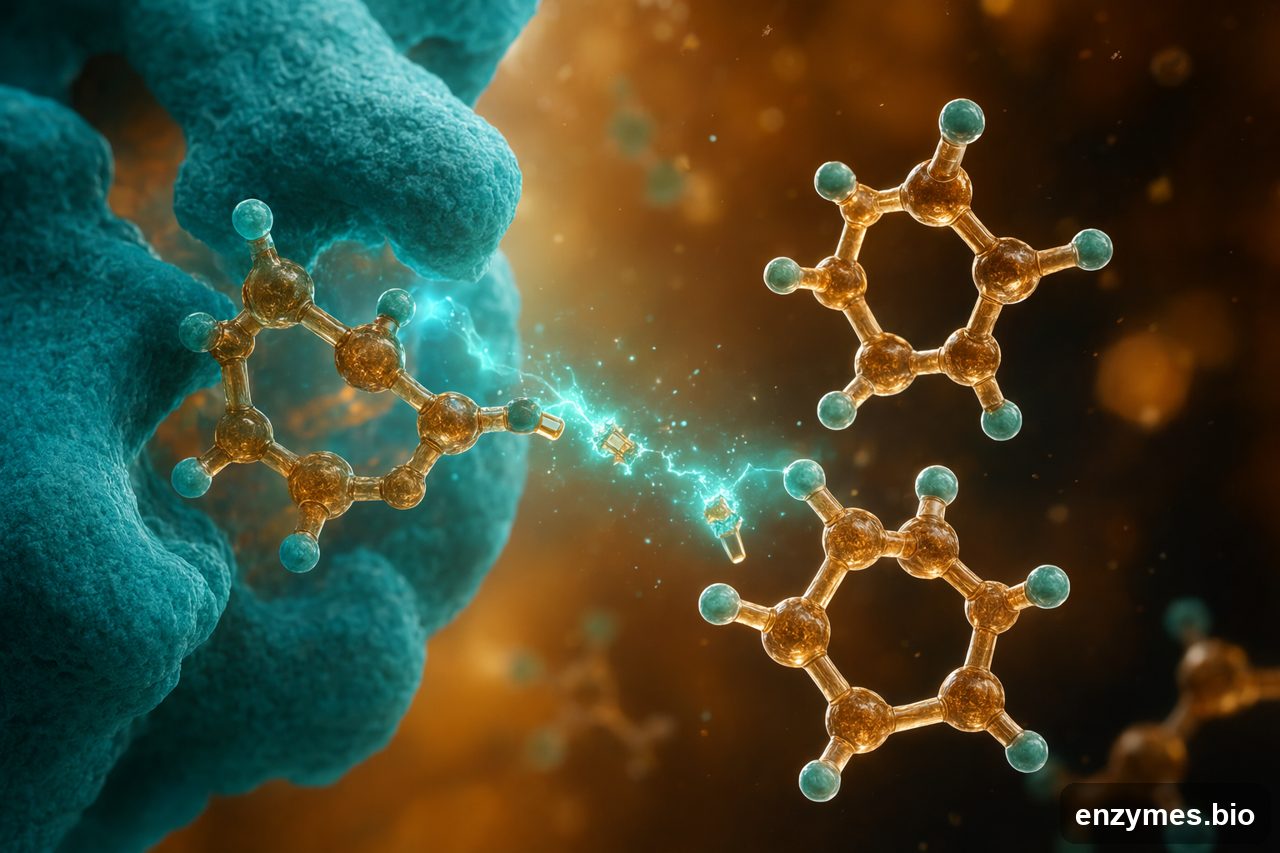
Maltase does not replace liquefaction enzymes. It is typically positioned after starch has already been converted into smaller soluble carbohydrates. In many process designs, upstream alpha-amylase or glucoamylase activity creates maltose-containing streams; maltase then targets maltose directly and converts it into glucose.
Typical placement points include:
Maltase performance depends on the full process environment, not one variable in isolation. R&D and production teams should evaluate the enzyme against the actual matrix, not only a simplified lab substrate.
Temperature affects conversion rate, process time, and enzyme stability. A higher temperature may accelerate hydrolysis up to the enzyme's operating limit, but excessive heat can reduce functional performance. Thermal hold time and heat-up profile matter as much as setpoint.
Maltase responds to pH conditions in the product stream. A process that drifts outside the preferred operating range may show slower conversion or incomplete maltose reduction. Buffering capacity, organic acids, mineral load, and fermentation carryover can all affect the practical pH environment.
High-solids streams can improve throughput but may create mass-transfer limits, viscosity effects, and mixing challenges. Maltase selection should account for real solids, not only dissolved maltose concentration.
The required contact time depends on the desired endpoint. A process targeting partial conversion will run differently from one targeting very low residual maltose. Inline dosing, batch conversion, and continuous holding systems each require different validation.
Salts, alcohol, syrups, roasted extracts, proteins, polyphenols, preservatives, and cleaning carryover can affect conversion. Maltiq evaluation focuses on performance in the customer's actual process matrix.
A strong maltase trial is built around process-relevant outputs, not generic enzyme claims. Useful development metrics include:
For procurement and manufacturing, the key question is not simply whether hydrolysis occurs. The question is whether the conversion is reliable enough to fit the cost, cycle time, and quality target.
Maltase can help adjust fermentable sugar composition in malt-derived streams. When used with proper process control, it may reduce residual maltose and support more predictable attenuation profiles.
Microbial production systems often benefit from defined sugar availability. Converting maltose into glucose can improve uptake consistency when the organism preferentially uses glucose or when feed kinetics need tighter control.
Maltase can be used to modify maltose-heavy carbohydrate profiles where a higher glucose fraction is required for sweetness, crystallization behavior, fermentation readiness, or formulation consistency.
Because glucose is a reducing sugar, maltase can influence browning and flavor formation when hydrolysis is performed before thermal processing. This requires controlled use: more glucose can improve reaction potential, but excessive reducing sugar may darken products beyond specification.
When qualifying maltase for an industrial process, evaluate:
Maltiq can support technical qualification discussions around substrate profile, target conversion, process constraints, and scale-up path.
A useful maltase trial should compare a control stream against one or more enzyme-treated streams under production-relevant conditions. Track maltose decrease and glucose increase over time, then connect the data to the commercial target: shorter cycle time, improved fermentation, adjusted sweetness, reduced residual maltose, or improved specification compliance.
Recommended trial structure:
Tell us what you are processing, the target maltose-to-glucose shift, and the operating constraints. Maltiq will route the request to the appropriate technical and commercial contact.
Process
Applications
Enquire
Tell us your application and volume — we reply with pricing and lead time.