What Is Maltase Enzyme? Alpha-Glucosidase Function and Industrial Use
Learn what maltase enzyme is, how alpha-glucosidase converts maltose into glucose, and what process teams should consider when evaluating maltase for controlled saccharification.
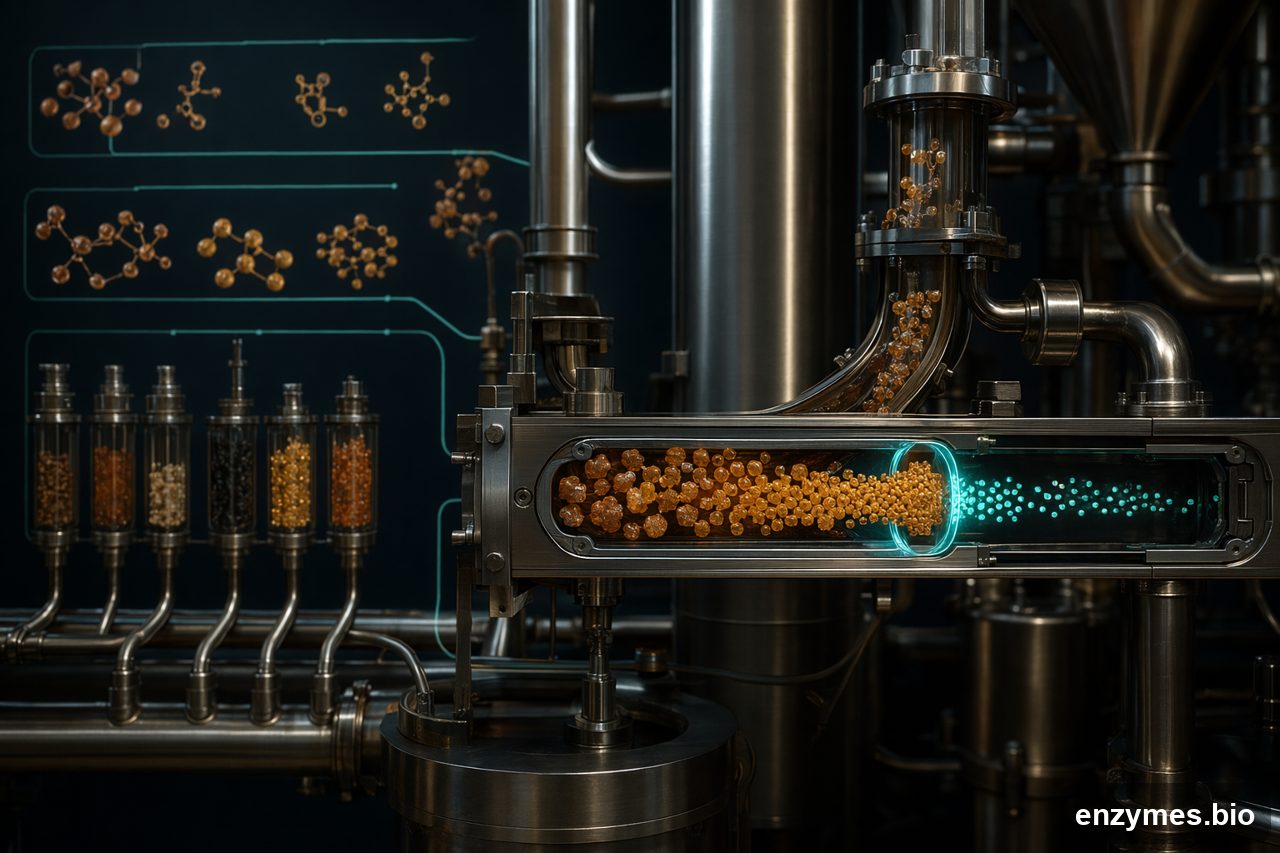
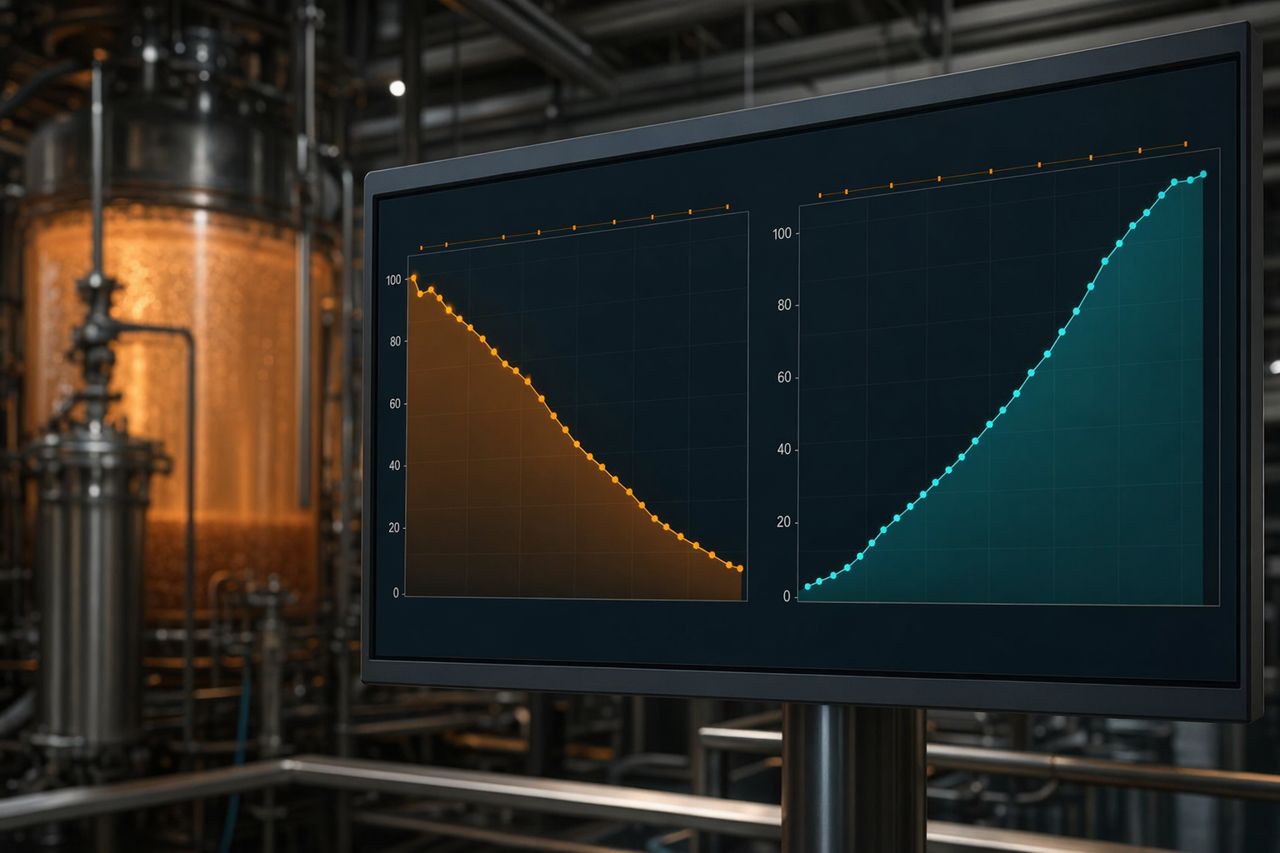
Maltase is an alpha-glucosidase enzyme that hydrolyzes maltose into two glucose molecules. In practical terms, it is a controlled saccharification tool: it takes a fermentable disaccharide and converts it into a simpler sugar profile that process teams can measure, model, and manage.
Maltase is also known as alpha-glucosidase or maltose glucohydrolase. The name may vary by supplier, source organism, or technical document, but the core function is the same: cleavage of the alpha-glucosidic bond in maltose.
For R&D, process engineering, procurement, and manufacturing teams, maltase is not just a definition. It is a lever for conversion, sweetness profile, fermentability, process consistency, and downstream yield.
Maltase in one line
Maltase converts maltose into glucose by hydrolyzing the alpha-linked glucosidic bond between the two glucose units.
That reaction matters wherever maltose is present and glucose availability influences performance.
What maltase acts on
Maltose is a disaccharide made of two glucose molecules joined through an alpha linkage. Maltase recognizes that structure and splits it cleanly into glucose.
Depending on enzyme origin and specification, some alpha-glucosidase preparations may also show activity toward short malto-oligosaccharides. For commercial evaluation, this matters because a broader or narrower substrate profile can change the final carbohydrate distribution.
Typical maltase role in a carbohydrate process
Maltose is generated upstream from starch or grain-derived carbohydrates.
Maltase is introduced under controlled process conditions.
The enzyme hydrolyzes maltose into glucose.
The process is monitored for conversion profile, residual maltose, glucose release, and downstream behavior.
The value is not simply higher conversion. The value is predictable conversion at the point in the process where glucose formation is useful.
Maltase vs. related enzymes
Maltase is often discussed near amylases, glucoamylases, and other alpha-glucosidases. They are related in carbohydrate processing, but they are not interchangeable.
Maltase
Targets maltose and releases glucose. Best understood as a maltose-to-glucose conversion enzyme.
Amylase
Breaks starch into smaller dextrins and sugars. Amylase is typically positioned earlier in starch breakdown and does not serve the same targeted role as maltase.
Glucoamylase
Releases glucose from non-reducing ends of starch-derived chains and can support deeper saccharification. It may overlap with certain maltose conversion goals, but its process behavior and substrate scope are different.
Why the distinction matters
Specifying the wrong enzyme category can create avoidable process variance: incomplete conversion, excessive glucose release, altered viscosity behavior, unexpected residual carbohydrates, or downstream fermentation changes.
Where maltase is commercially relevant
Maltase can be relevant in any workflow where maltose conversion affects product performance or processing economics.
Common B2B evaluation areas include:
Brewing and fermentation: improving glucose availability, supporting consistent fermentability, and managing residual maltose targets.
Grain and cereal processing: adjusting sugar profiles after starch breakdown.
Syrup and sweetener systems: refining maltose-to-glucose balance for functional and sensory requirements.
Bakery and yeast-driven systems: supporting fermentable sugar availability where maltose is present.
Bioprocess feed preparation: producing a more accessible carbohydrate stream for organisms that preferentially consume glucose.
Food ingredient development: tuning sweetness, browning potential, and carbohydrate labeling profiles within the intended formulation strategy.
Maltase is most useful when the process objective is specific: reduce maltose, increase glucose, and keep the conversion window controlled.
What process teams evaluate
A maltase program should be built around the process reality, not only the enzyme name on a data sheet.
1. Substrate profile
Confirm whether the incoming carbohydrate stream is primarily maltose or a broader mix of maltose, maltotriose, dextrins, and other sugars. The more complex the substrate, the more important enzyme selectivity becomes.
2. Process compatibility
Maltase performance depends on the operating environment. Process teams typically assess compatibility with:
pH setpoint and buffer system
temperature profile
dry solids level
residence time
mixing and mass transfer
salts, minerals, preservatives, or formulation aids
upstream hydrolysis conditions
downstream heat treatment or inactivation strategy
3. Conversion target
Not every application requires complete maltose conversion. Some processes need partial conversion, a specific glucose-to-maltose ratio, or a repeatable end point before fermentation, concentration, blending, or packaging.
4. Side activity and profile control
For industrial use, side activities can matter as much as the main reaction. Buyers should assess whether the preparation changes viscosity, releases unexpected sugars, or interacts with other enzyme systems.
5. Manufacturing consistency
A commercially useful maltase must support repeatable production. That means consistent performance from lot to lot, clear handling guidance, scalable addition strategy, and a documentation package aligned with the intended market.
What maltase changes in the final process
A well-selected maltase can influence:
residual maltose level
glucose release profile
fermentation behavior
sweetness perception
browning potential
osmotic balance
downstream filtration or concentration behavior
batch-to-batch repeatability
The effect depends on the carbohydrate stream and the process design. Maltase is not a universal fix; it is a targeted conversion tool.
Practical selection checklist
Before requesting a maltase quote or technical recommendation, prepare these details:
substrate source and carbohydrate profile
process stage where maltase would be added
target residual maltose or glucose profile
pH and temperature operating range
batch or continuous process format
expected residence time
compatibility with other enzymes or ingredients
downstream processing steps
regulatory or documentation requirements
preferred format, packaging, and supply cadence
This information allows a technical team to match maltase selection to actual manufacturing conditions instead of relying on generic enzyme category names.
Summary
Maltase is an alpha-glucosidase that converts maltose into glucose. In industrial carbohydrate processing, its value is precision: targeted saccharification, predictable sugar profile control, and process outcomes that can be measured at scale.
For teams building or refining maltose conversion, the key questions are not only “what is maltase?” but also “where should it act, how far should conversion go, and what process constraints must it tolerate?”
Request maltase pricing or technical fit guidance
Use the form below to contact Maltiq about maltase suitability, documentation, and commercial availability for your process.